

Project Spotlights
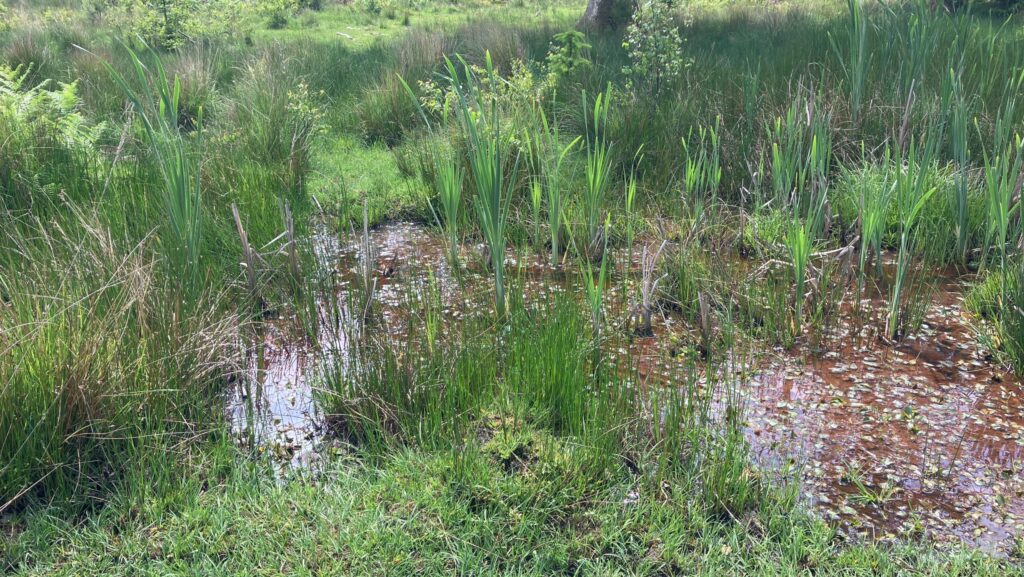
Knightwood
A wetland restoration project to restore Winding Shoot, a tributary of the Black Water which has been artificially straightened and deepened, along with the wetland habitats in the area which have been dried out by forestry drainage.
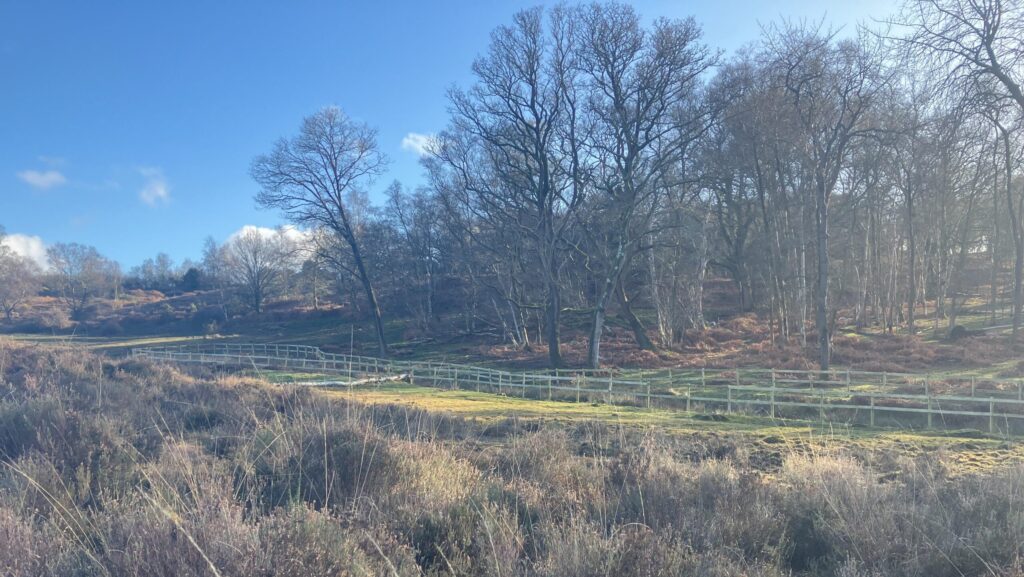
Picket Mire
A project involving the restoration of a small valley mire that was being damaged and dried out by a drain, that was becoming increasingly incised and eroded by heavy winter rainfall.
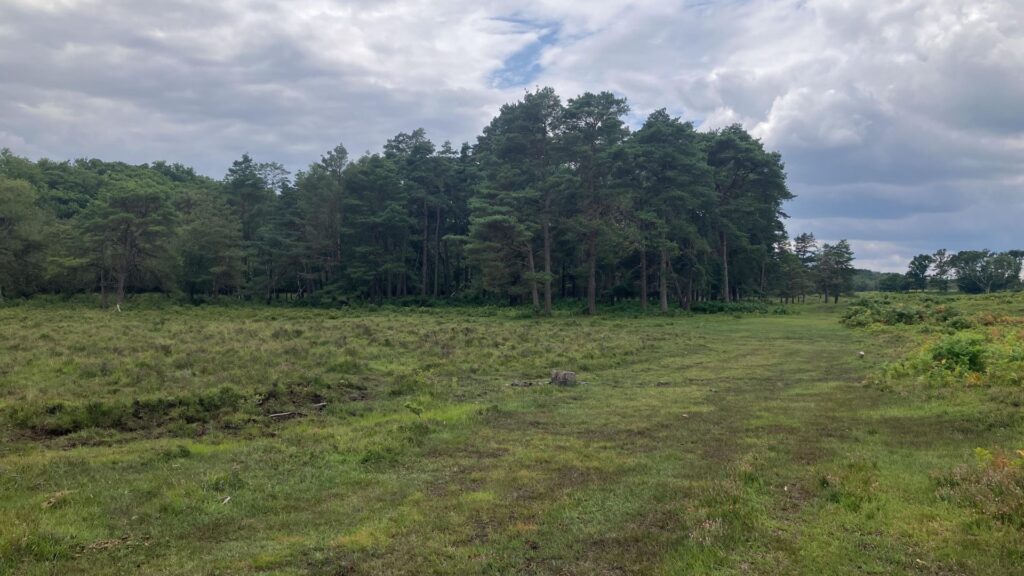
Matley Bog
Work here removed large stands of conifer, naturally regenerating conifer and invasive rhododendron which, collectively, were drying out the wetland and altering the natural soil characteristics of the area.
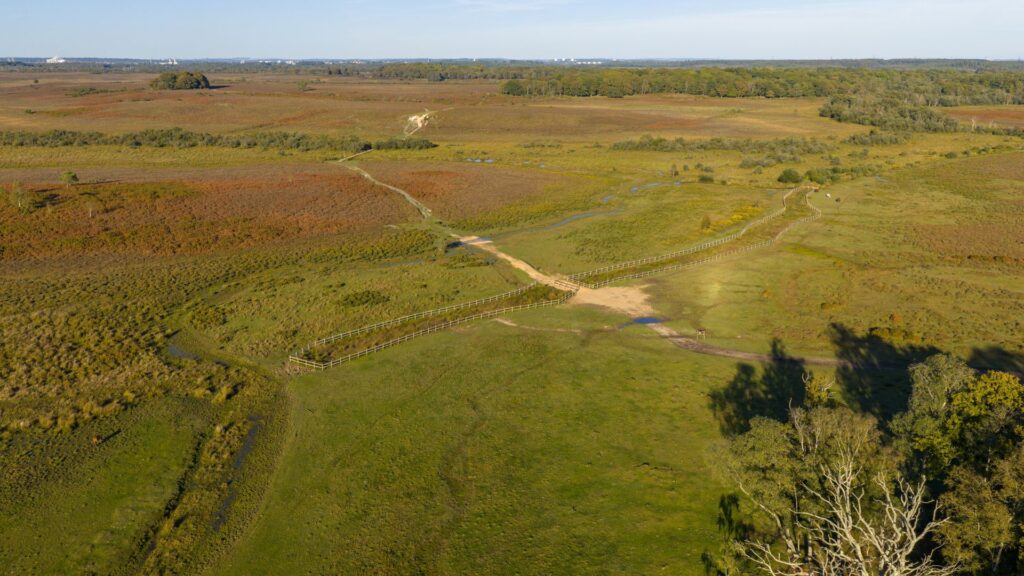
Penny Moor
This project aimed to restore the extensive wetland habitat at Penny Moor, which supports a huge array of unusual and nationally important wetland plant species.
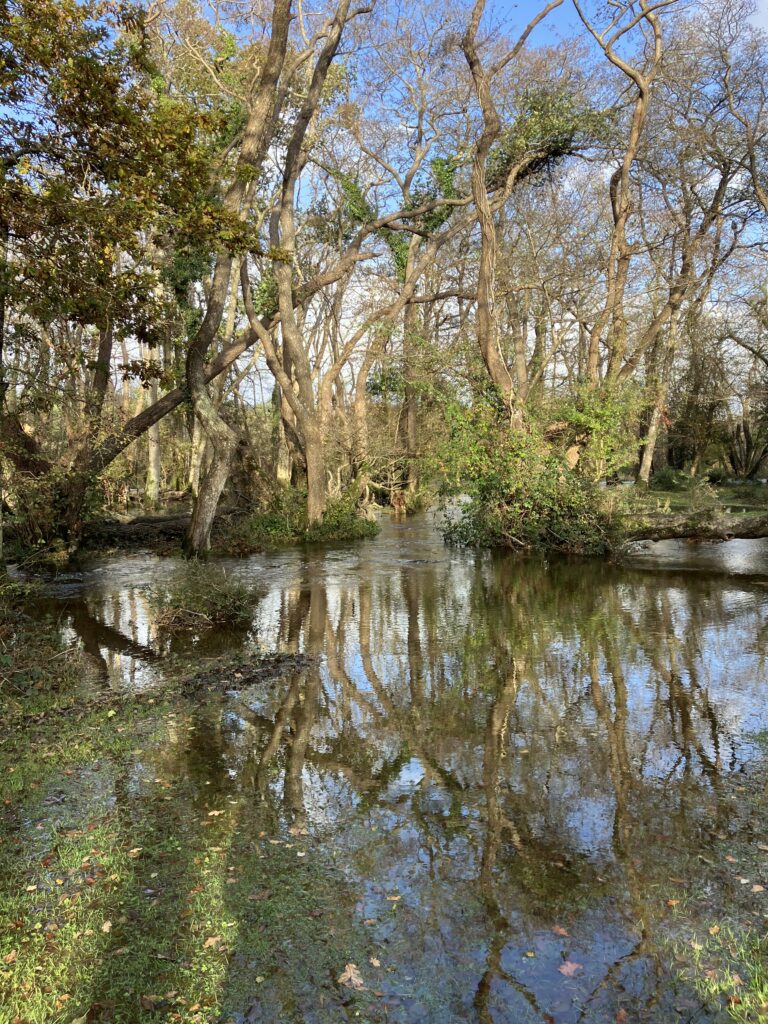
Wootton
A large scale, two and a half mile river restoration project on the Avon Water, which aimed to restore the remnant meanders and remove the artificial drainage.
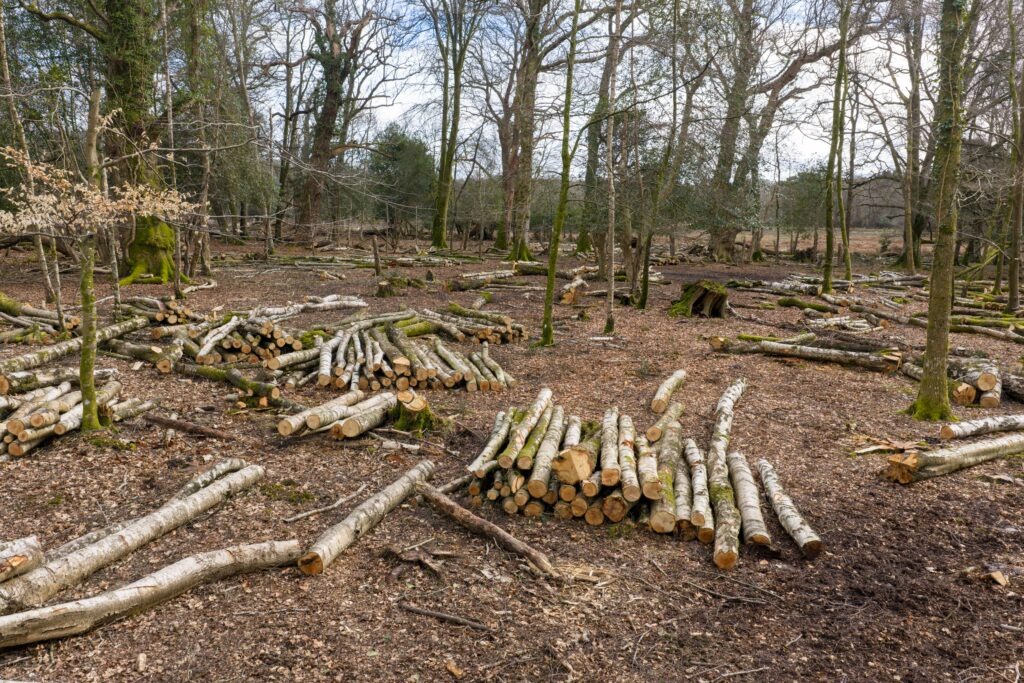
Gritnam Wood
An ancient and ornamental woodland restoration project aiming to support rare lichen assemblages by thinning dense areas of woodland to increase light availability.
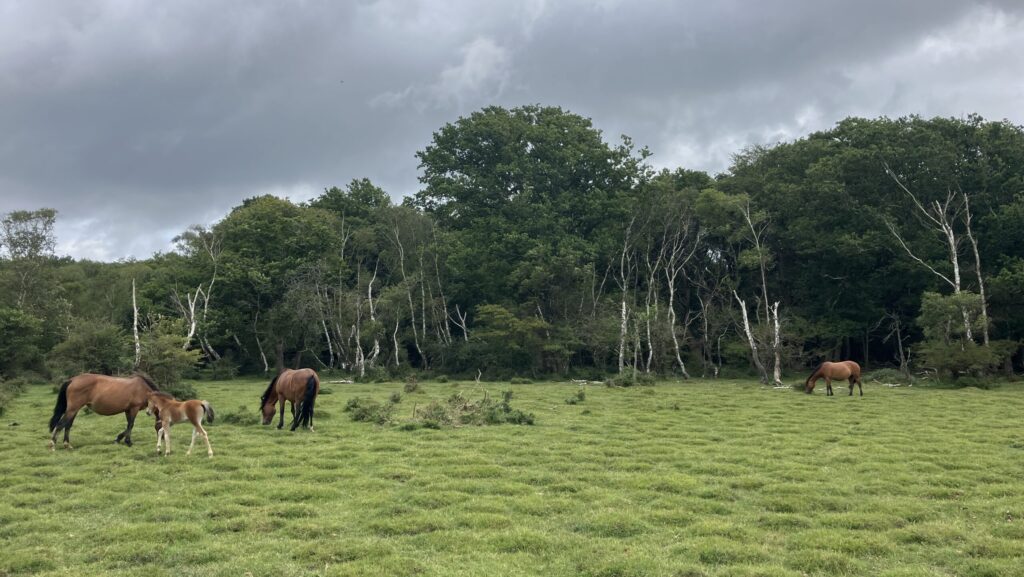
Balmer Lawn
A ‘lost lawns’ project, looking at restoring characteristic New Forest herbaceous rich grassland habitat which had been placed under pressure by regenerating trees and scrub.
Furzey Lodge and Hawkhill Mire
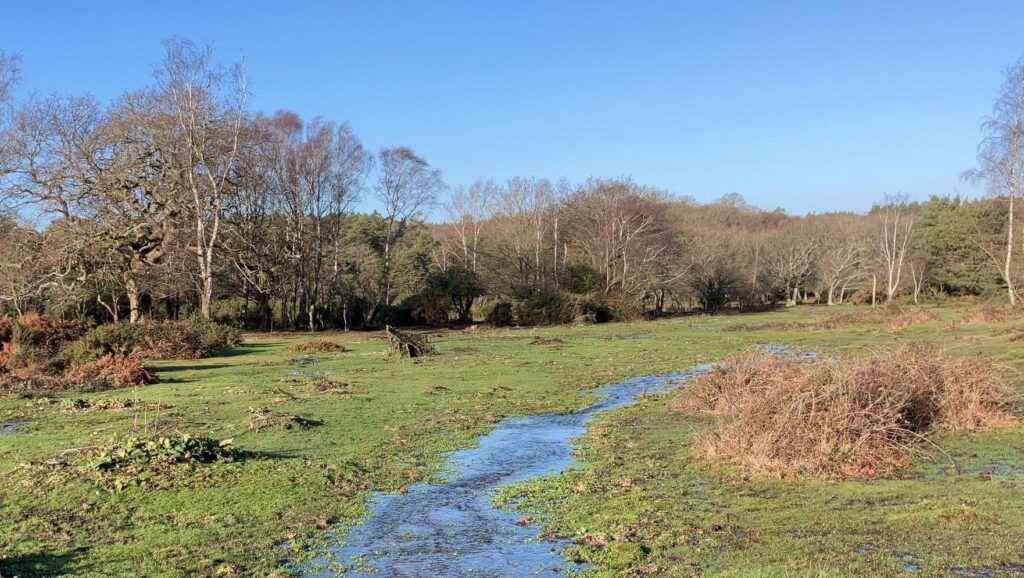
Two wetland restoration sites where fixed point photography has been used to monitor the effectiveness of the restoration work.
Holly regeneration
Across the open Forest, small fenced-off areas have been established to protect holly regeneration from browsing pressure.
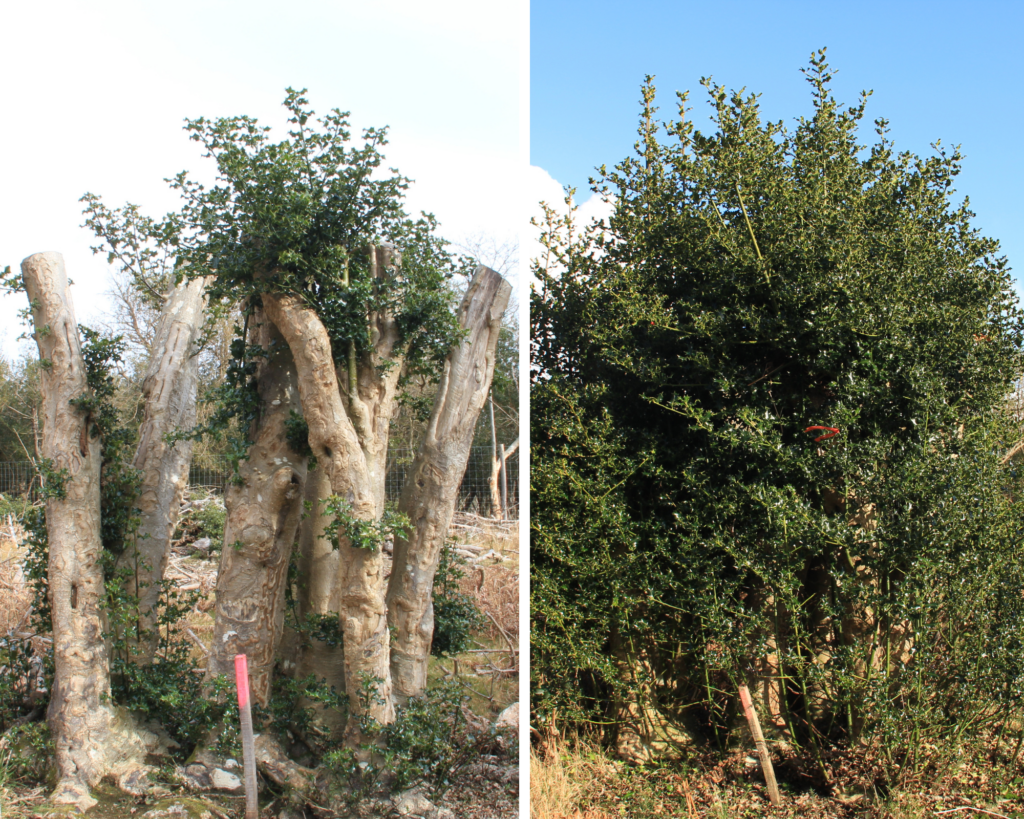
These holly regeneration ‘pens’ are located in areas where holly holms are dying and where basal regrowth is taking place, but cannot become established due to high browsing pressure from deer and livestock.
The trials last for five to six years to allow for enough growth that when the fences are taken down, they will be able to survive.
The before and after photo on the left shows the impact these fences have on holly growth.