

29 June 2026
Rare Species Surveys
Monitoring the New Forest’s biodiversity
While the New Forest is well known for its rich biodiversity, it is also a national stronghold for many species.
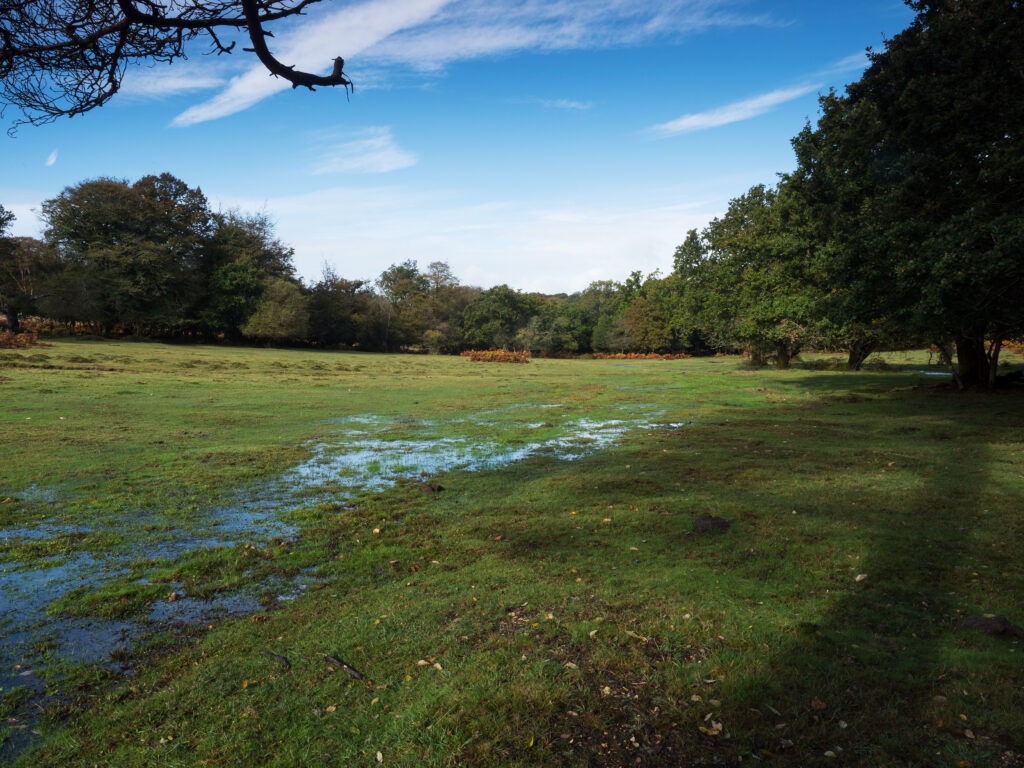
These species depend on the area’s unique mosaic of wetlands, heathlands, and woodlands, found nowhere else at this scale in the UK.
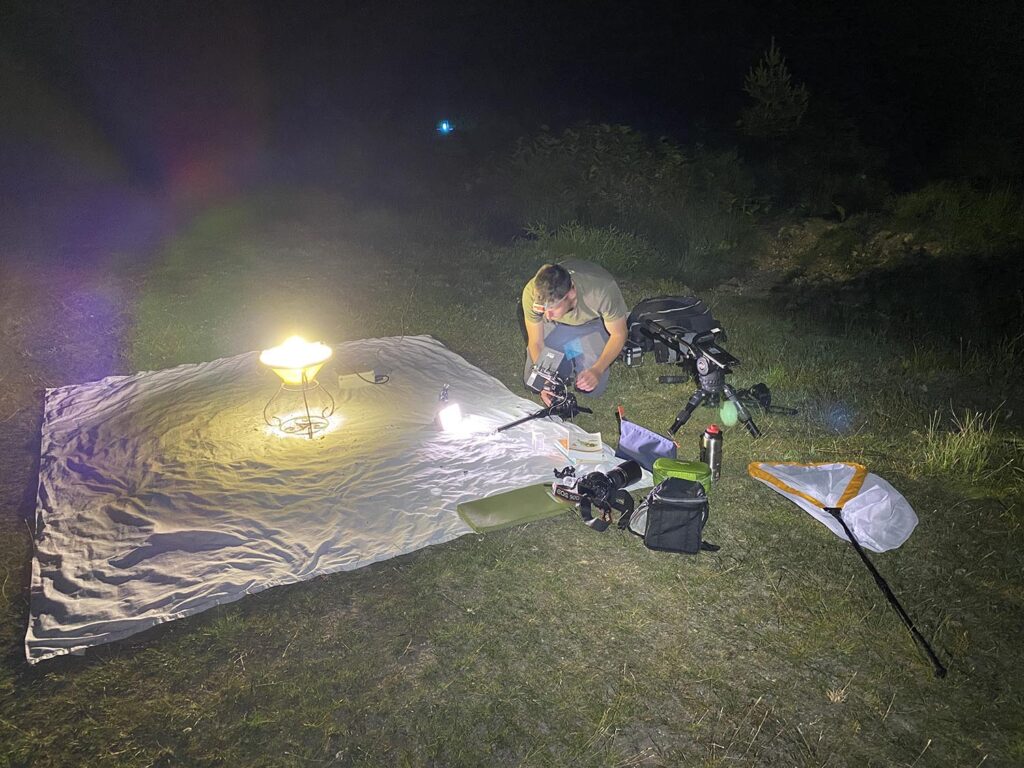
With advice from Natural England, Forestry England commissions species surveys, funded by the HLS scheme, to help monitor the populations of some these specialist species.
This helps understand their population sizes, as well as their habitat requirements; information which can be used to help inform habitat management.
Outlined below is a selection of some of the critical and local species discovered in surveys over the past five years.
What is a rare species?
In the UK, species rarity and scarcity are defined in several complementary ways, depending on whether the focus is global conservation status, national distribution, or risk of extinction.
Globally threatened species are assessed using the International Union for Conservation of Nature (IUCN) Red List, which classifies species according to their risk of extinction worldwide (e.g. Vulnerable, Endangered, Critically Endangered).
Red Data Book (RDB) species are those listed in UK or Great Britain Red Data Books, often drawing on IUCN-style criteria looking into potential threats to the species, but applied at a national scale.
Nationally Rare and Nationally Scarce species are defined by their distribution, specifically by how many 10 × 10 km grid squares (hectads) they occupy in the UK:
- Nationally Rare: recorded from 15 or fewer hectads
- Nationally Scarce: recorded from 16–100 hectads
Below are some examples of the rare species surveyed.
Cranefly, shrimp and beetles
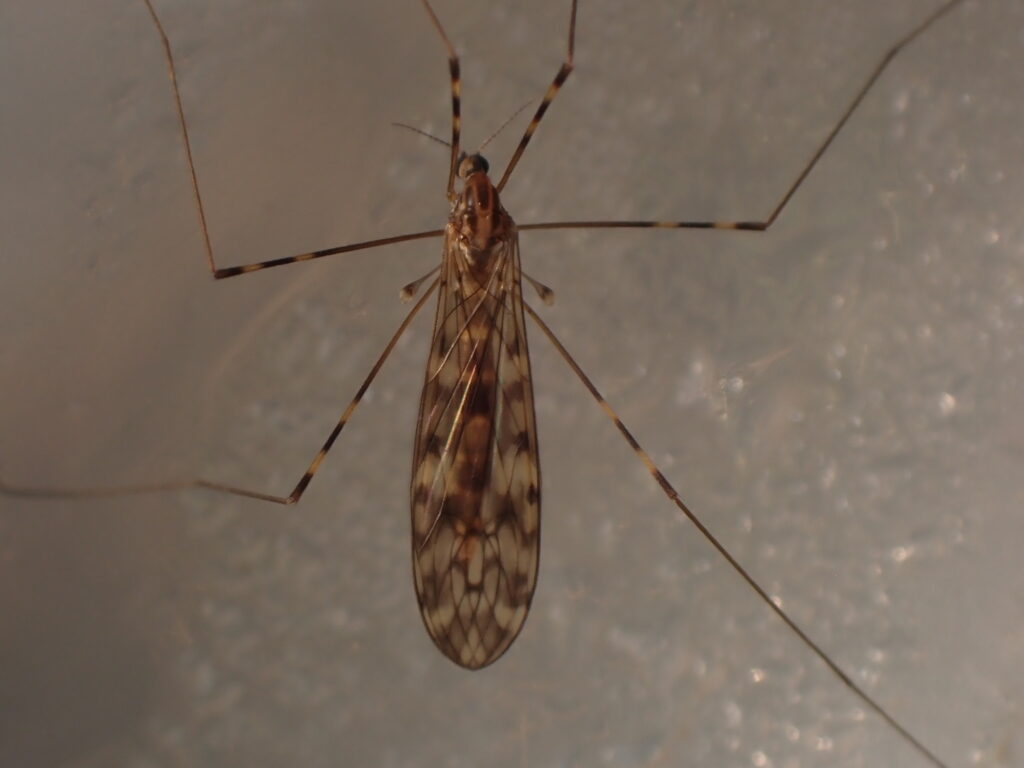
The six-spotted cranefly (Idocera sexguttata) may not look like much, but is in fact an extremely rare species. In 1994 it was listed by the IUCN as Globally Endangered, although it has not been reviewed recently. It is known only from Britain and Denmark, and therefore is considered a Species of Principle Importance and global concern. It is associated with mire habitats that have calcareous or base-rich seepages.
The freshwater crustacean known as the Fairy Shrimp (Chirocephalus diaphanus) is a Red Data Book Vulnerable Species due to a very specific environmental requirement coupled with widespread habitat loss. They are localised across England with a major population centre in the temporary ponds of the New Forest.
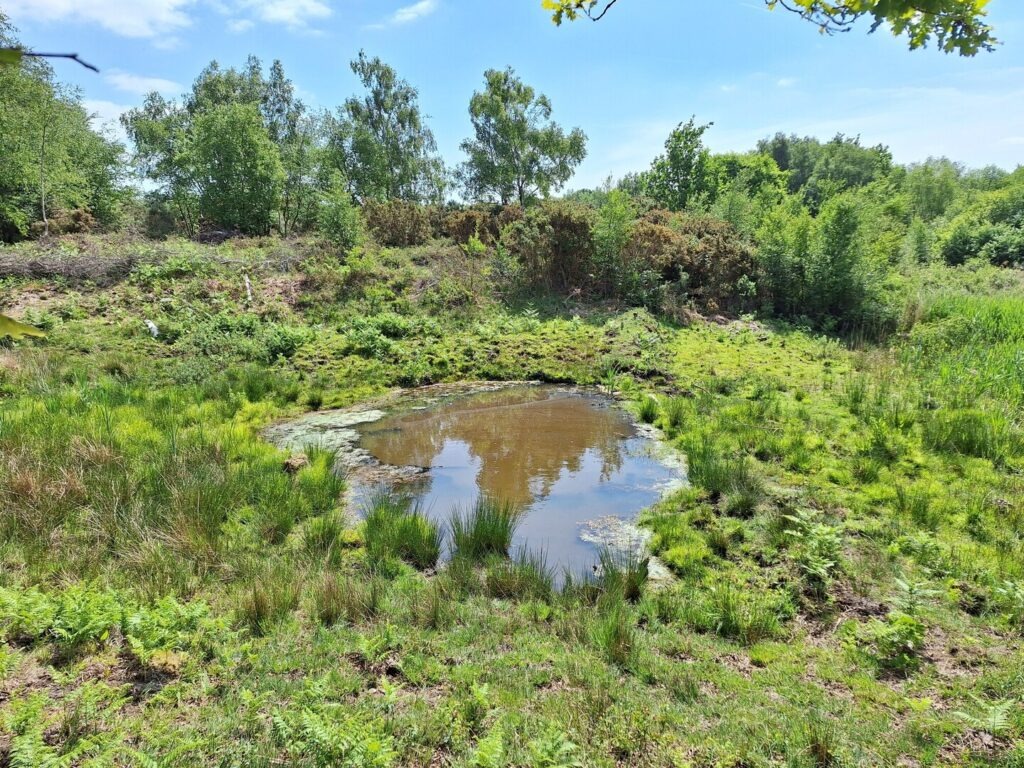
The New Forest is the historical stronghold for the Beaulieu Dung Beetle (Liothorax niger), a species which has an extremely limited distribution across the rest of the UK and is considered at risk of extinction (endangered) from Great Britain according to the Red List. They are found almost exclusively in open areas around temporary or permanent pools and ditch margins. Artificial drainage of pools and endectocides in livestock are attributed to their decline, although interestingly, despite their name, these beetles are not believed to be dung specific.
Aquatic beetles
The Brown Diving Beetle (Agabus brunneus) is an aquatic predator that has a historical stronghold in the New Forest. Extreme hot weather and drought events throughout successive years are a major threat to this species as streambeds may dry out at crucial times of development.
The biology of the NF Mud Beetle (Helophorus laticollis) is poorly understood and it remains nationally rare, confined to the New Forest as it’s last known stronghold. Contrary to the species’ name, Helophorus laticollis place their cocoons among vegetation in shallow water, as opposed to in the mud beside water. Unfortunately, this species is not doing well, thought to be suffering due to loss of wetland habitat due to drainage, and increasingly hot and dry summers. Our wetland restoration work will hopefully increase habitat availability for this species in the New Forest, but it has not been recently recorded to our knowledge.
Leeches, grasshoppers and plants
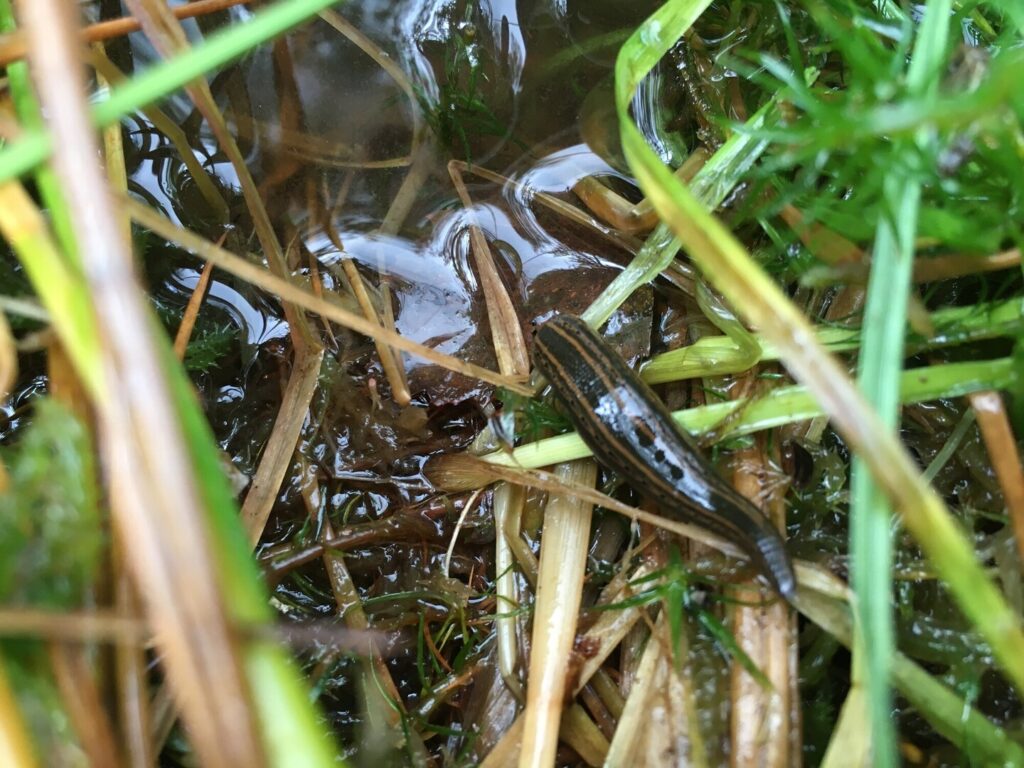
Rare across the whole of Western Europe, the Medicinal Leech (Hirudo medicinalis) has declined in numbers across the whole of the UK – indeed it was declared extinct twice in the 20th century before being refound! One speculative reason for it’s decline could be in the spread of the non-native invasive Crassula helmii causing shading and deoxygenation within waterbodies.
The largest of the UK’s native grasshoppers, the Large Marsh Grasshopper (Stethophyma grossum) is also one of the rarest, being found only in the New Forest and a small area of Dorset, and making it Nationally Rare.
Look closely at the grazed greens and waysides of the New Forest and you’ll find “not the most ostentatious of British rarities” (Hare, 1990). Small Fleabane (Pulicaria vulgaris) enjoys a foothold here due to the traditional livestock management that still exists, marking the New Forest as the most important for its population in Western Europe.
New Forest Special Protection Area
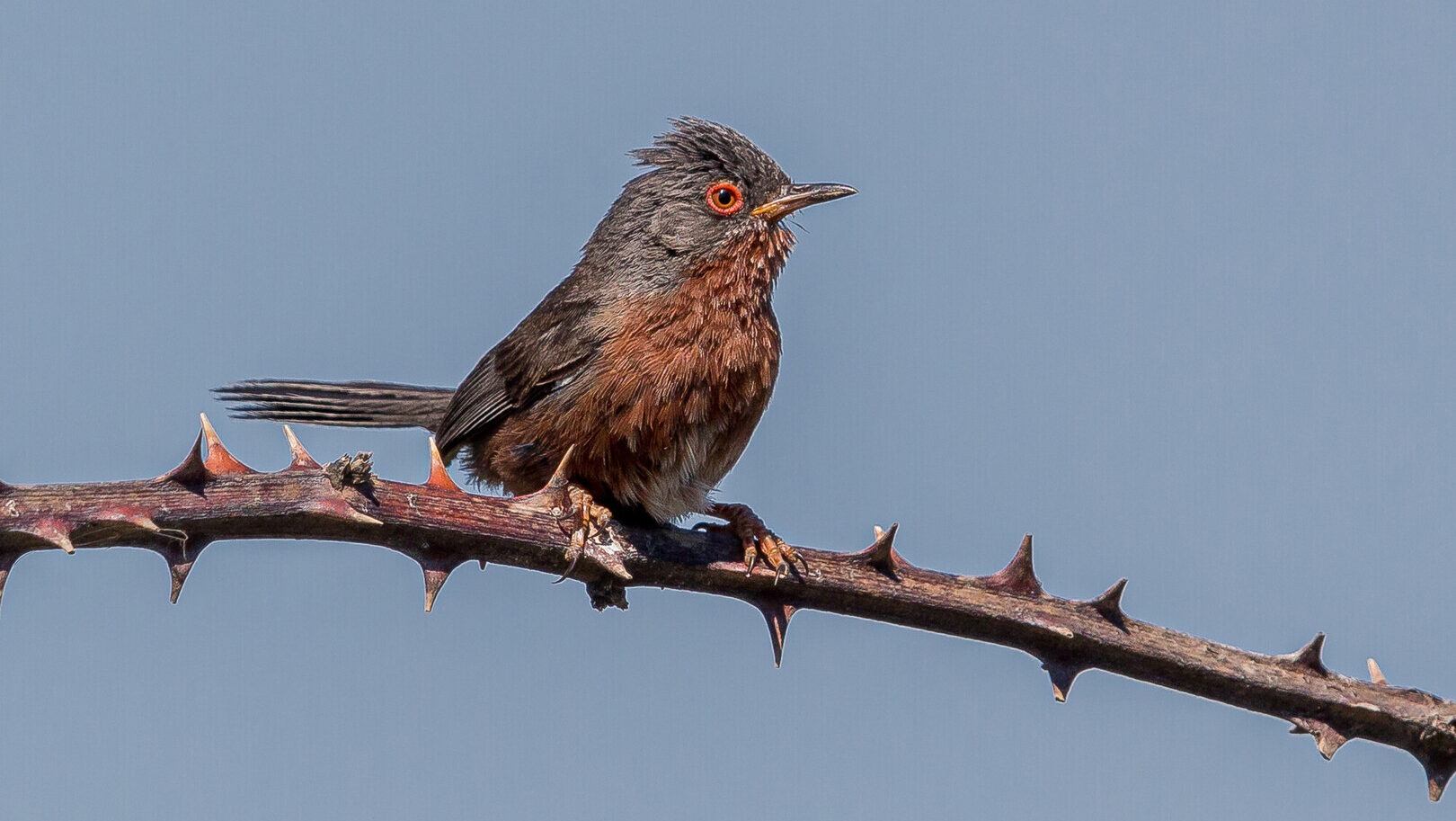
Nightjar, Woodlark, Hen Harrier and Dartford Warbler are some of the species that go into designating the New Forest as a Special Protection Area (SPA), meaning it is an internationally important site for breeding and over-wintering bird species.
Birds
The New Forest valley mires and wetter heathlands have long been recognised for their importance to breeding waders and surveys have taken place here since the 1960s.
In 2025, Forestry England commissioned a report on breeding waders to track and maintain the abundance of these species.
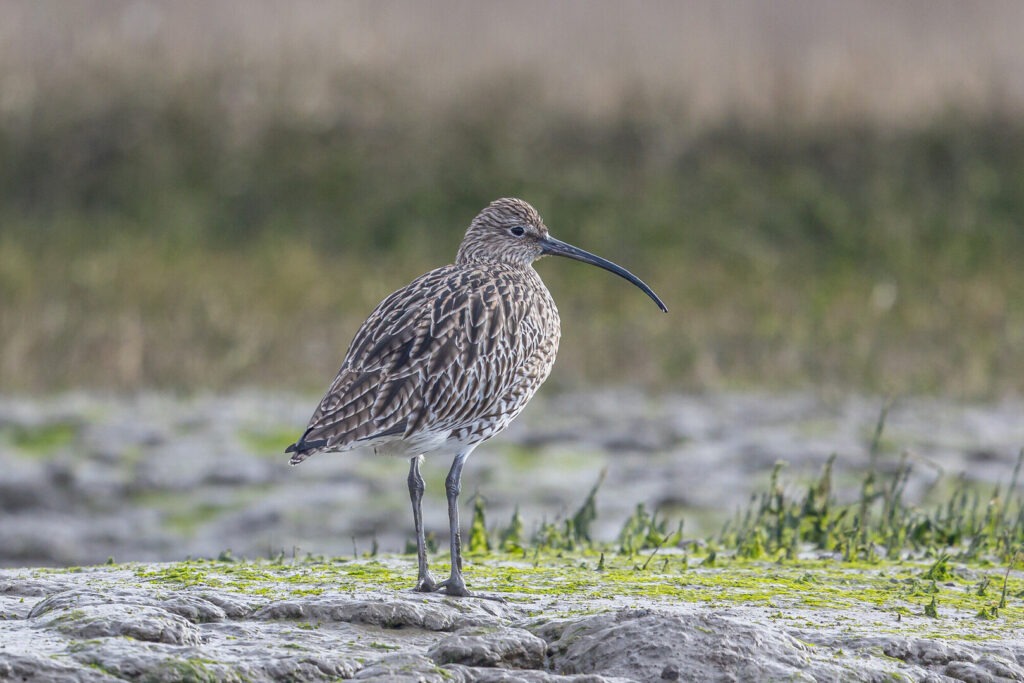
On a national scale, breeding populations of all four species surveyed in the report are at risk – curlew (pictured), lapwing (red list), redshank, snipe (amber list).
In the New Forest in 2025, curlew were declining, lapwing were persisting at low levels, snipe were doing well, and redshank were on the verge of extinction from the Special Area of Conservation.
Rare Species Survey reports
-
-
17 April 2026
Dartford Warbler
-
17 April 2026
Hen Harrier
-
17 April 2026
Woodlark Survey
-
17 April 2026
Nightjar Report
-
17 April 2026
Fairy Shrimp
-
17 April 2026
New Forest Mud Beetle
-
17 April 2026
Brown Diving Beetle
-
17 April 2026
Small Fleabane
-
17 April 2026
Large Marsh Grasshopper
-
17 April 2026
Six spotted cranefly survey
-
17 April 2026
Beaulieu Dung Beetle