
Monitoring River Life
The Riverfly Partnership
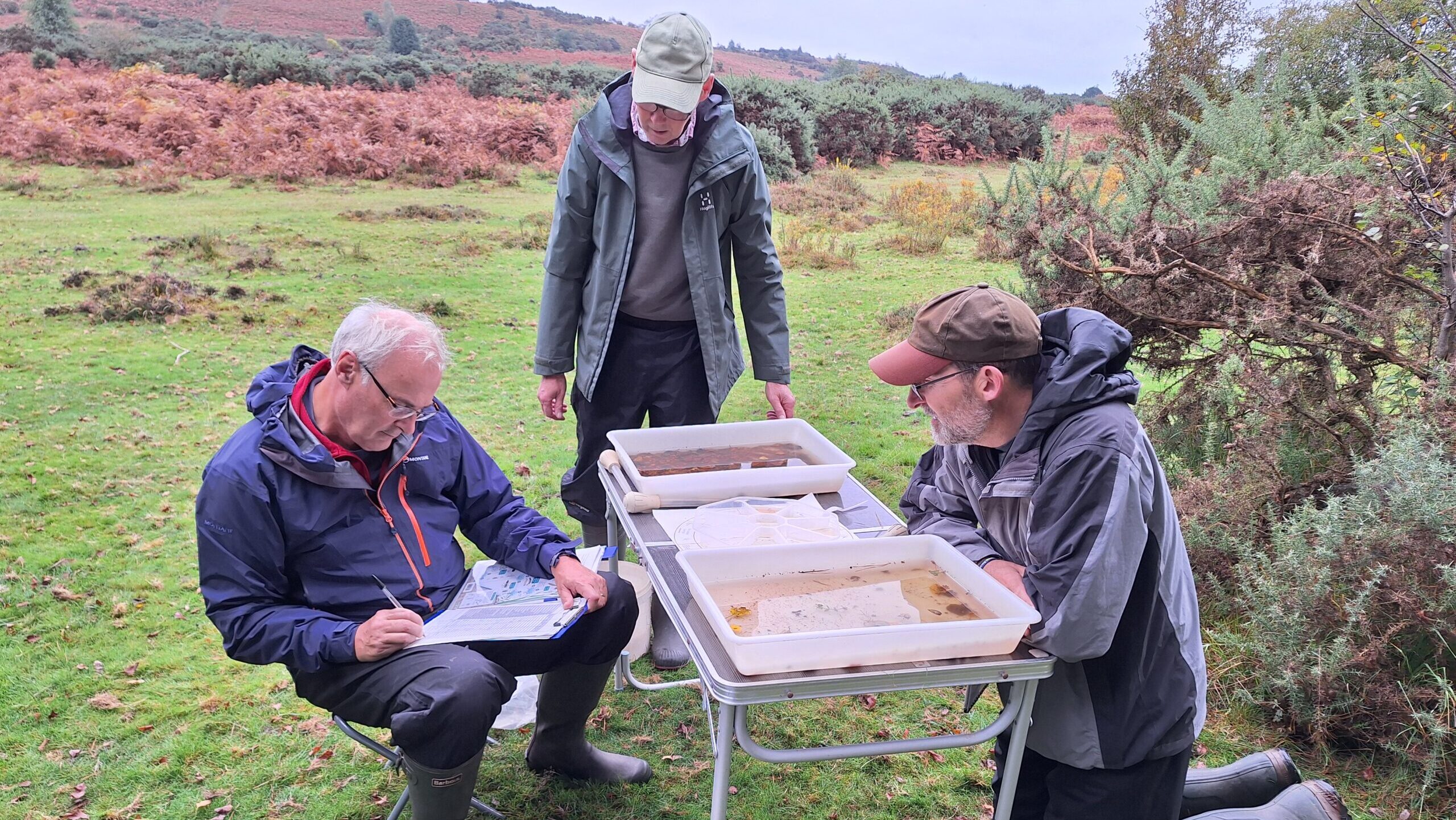
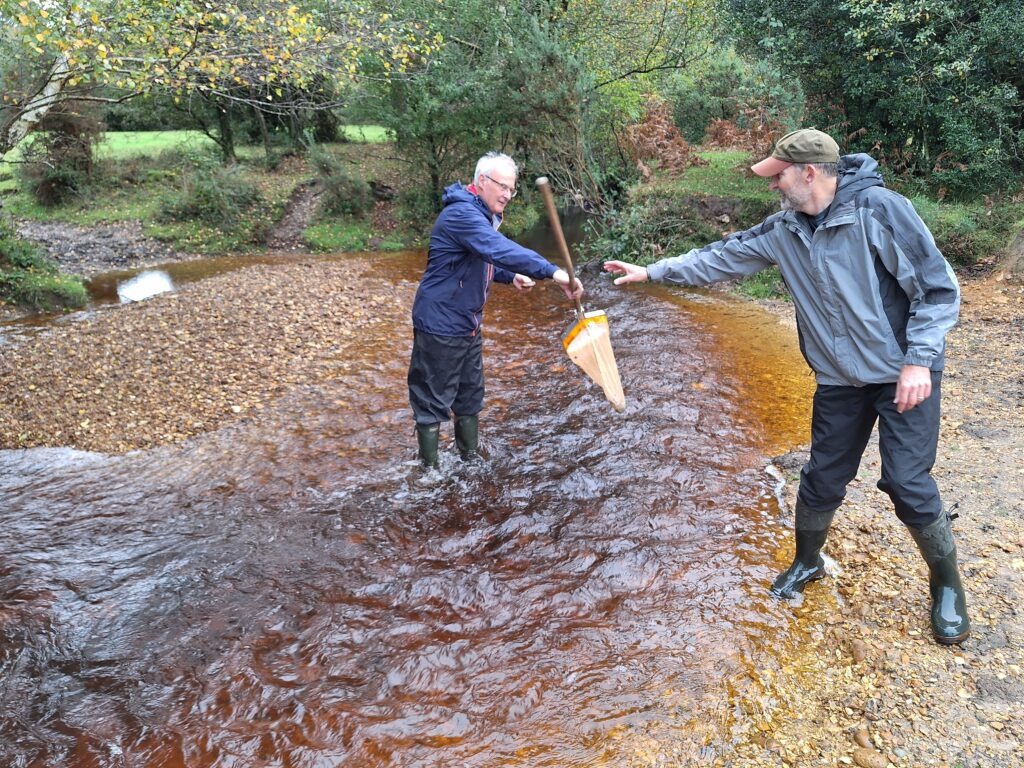
Under the Riverfly Partnership citizen science project, volunteers from the public are trained to identify specific groups of freshwater invertebrates, known as riverflies.
The numbers and diversity of aquatic invertebrates found can tell us a lot about the health of our watercourses, for example by measuring the impact of pollution events or monitoring the recovery of wetland restoration projects delivered under the HLS scheme.
The monitoring group in the New Forest is part of a network of groups across the country that monitor the health of our rivers and streams.
Riverflies are often described as the ‘canaries of our rivers,’ because they are very sensitive to water pollution.
Their presence or absence, therefore, gives an indication as to the water quality and ecological health of the watercourse.
What are riverflies?
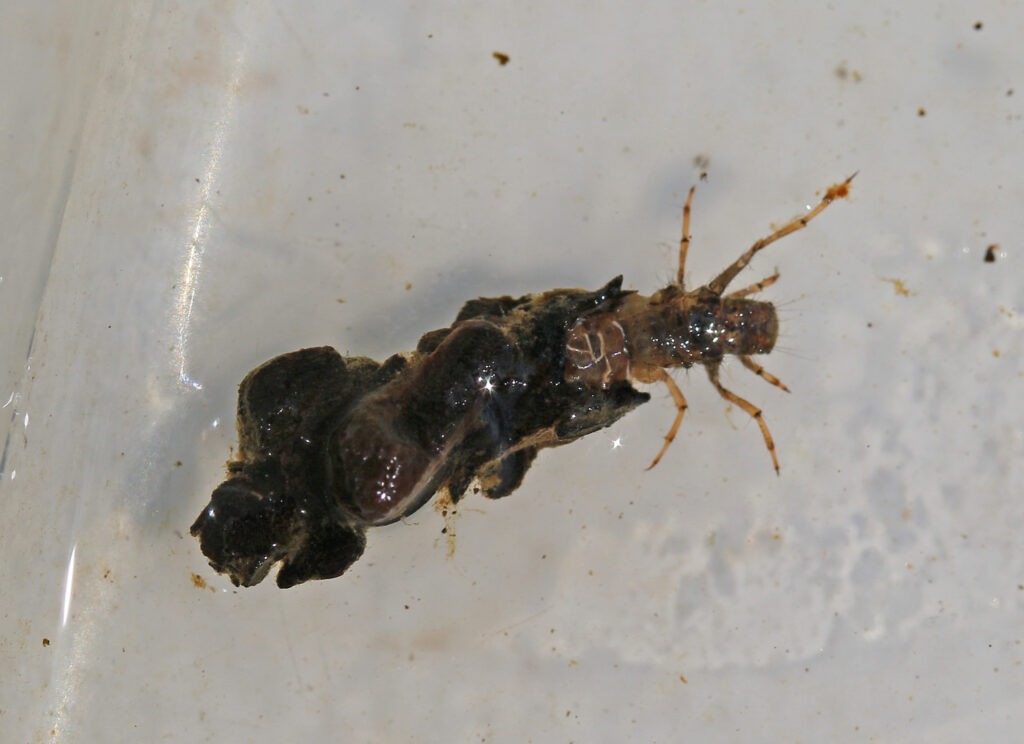
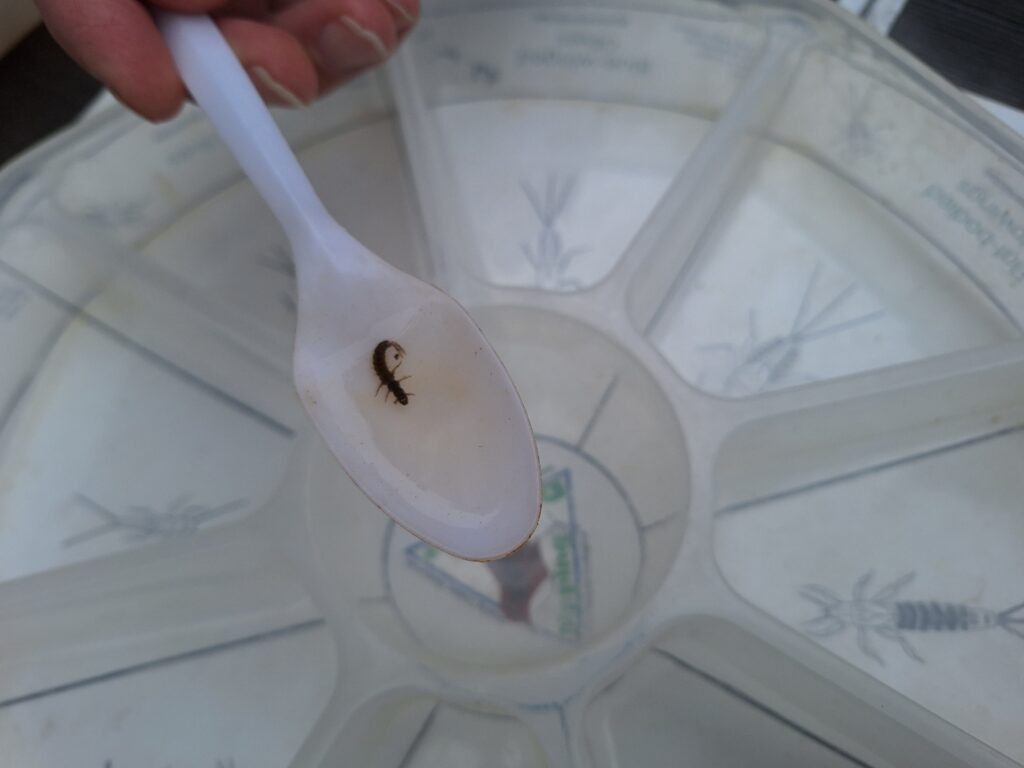
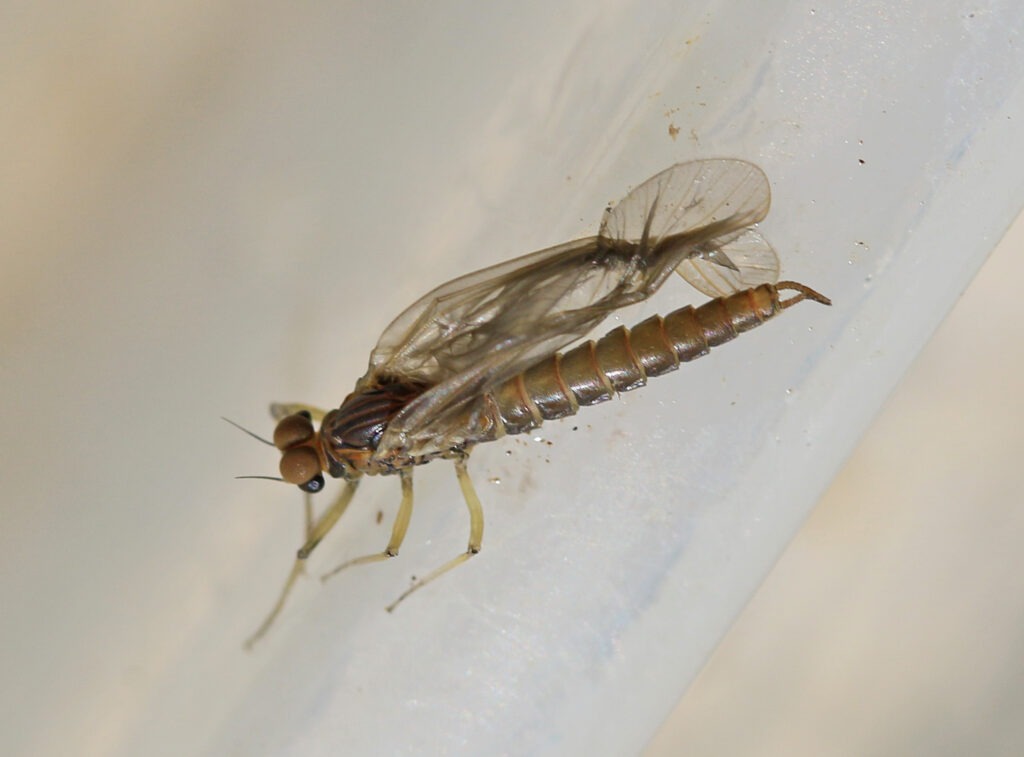
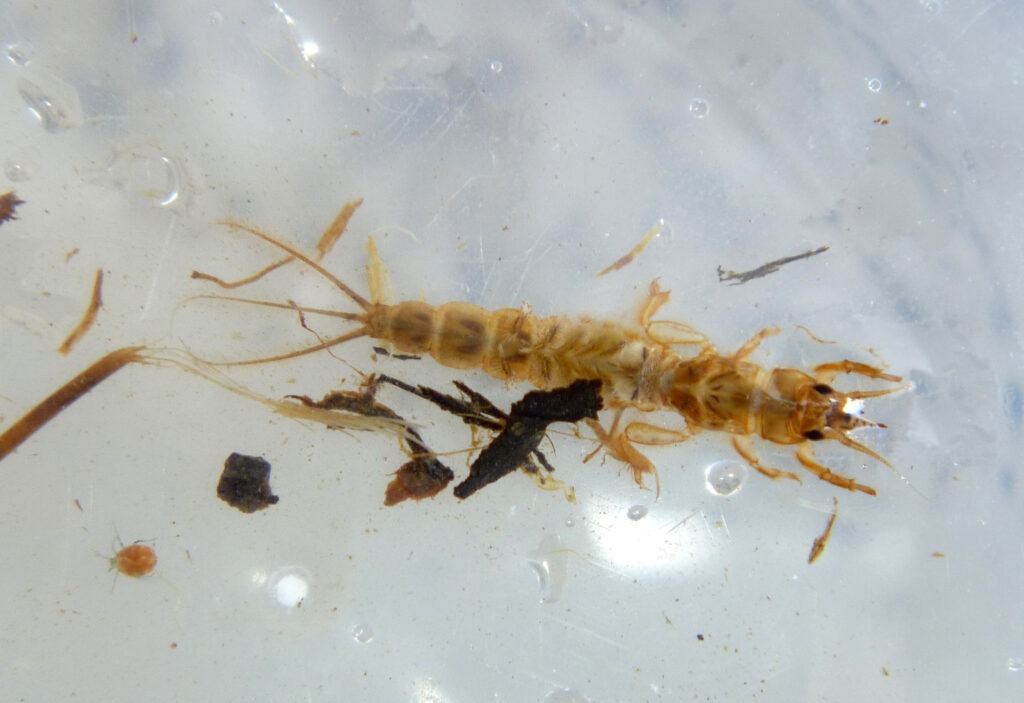
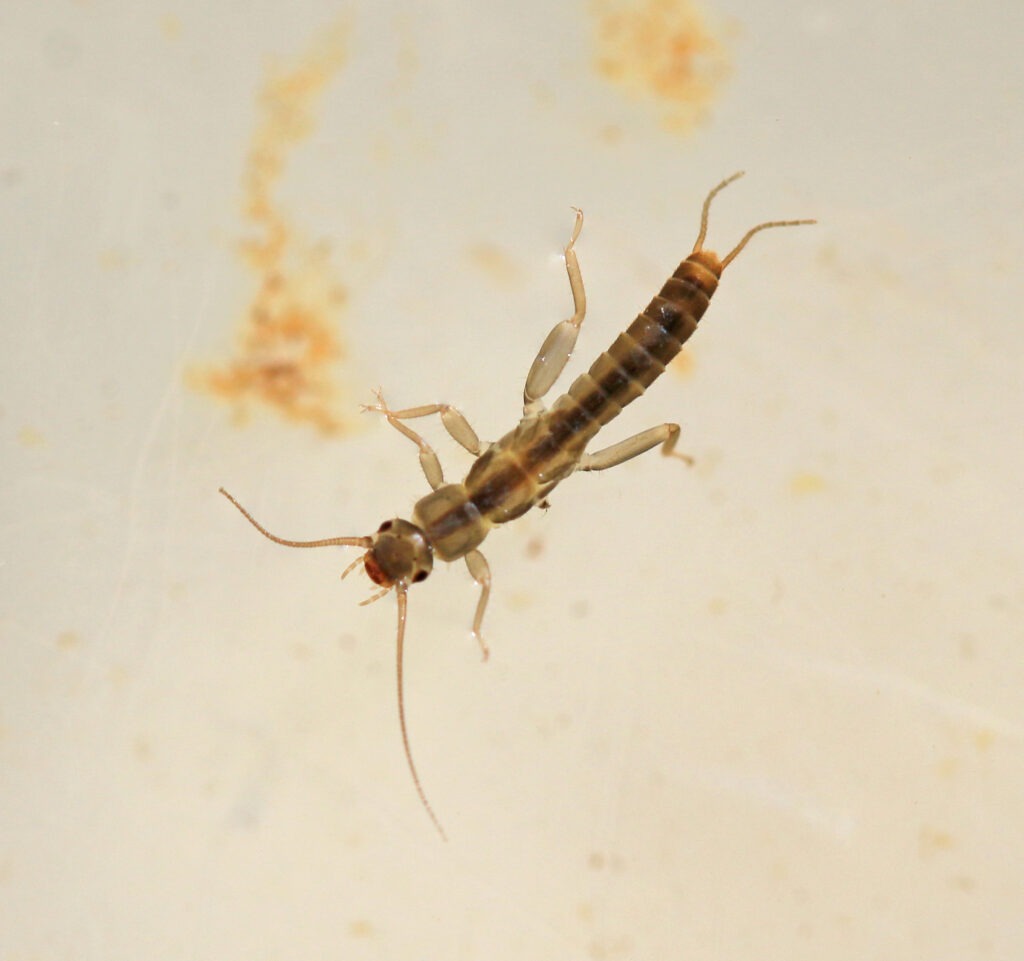
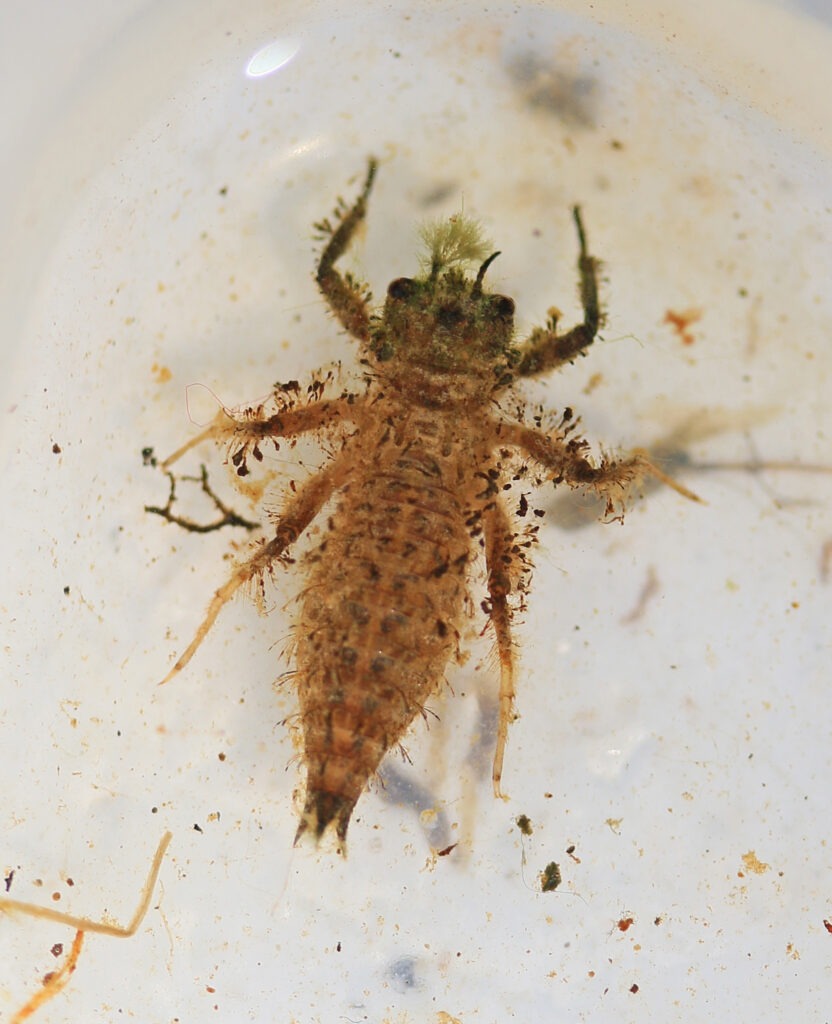
Riverflies are freshwater aquatic invertebrates, often the larvae and nymphs of one of three main groups: mayflies (Ephemeroptera), caddisflies (Trichoptera), and stoneflies (Plecoptera).
They spend the majority of their lives as immature larvae or nymphs underwater before emerging as short-lived, winged adult flies, often in spring and summer.
Pictures below courtesy of Trevour Bumfrey
Riverfly surveys
Forestry England has been coordinating Riverfly surveys in the New Forest for the best part of a decade.
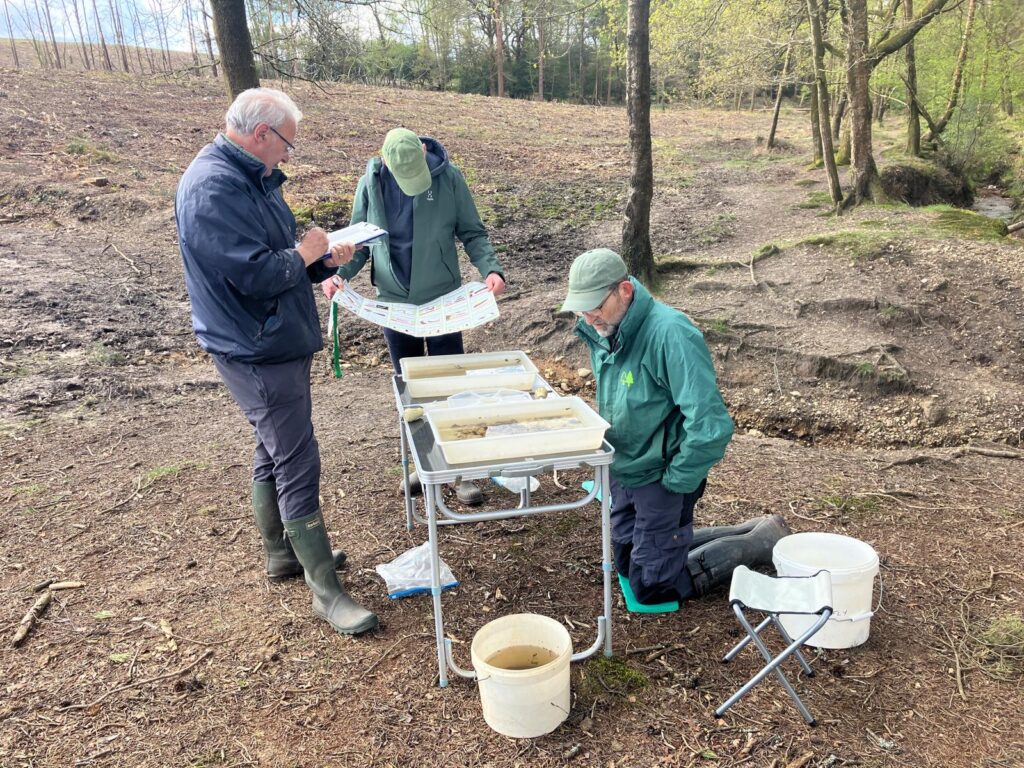
It started with the original Riverfly Monitoring Initiative (known as the Anglers’ Riverfly Monitoring Initiative or ARMI), which monitors eight pollution-sensitive invertebrate groups.
Three years later in 2019, volunteers were then trained to undertake Extended Riverfly monitoring, which includes 33 invertebrate groups. This has provided a more detailed indication of the health of rivers in the New Forest.
What is in the data?
While interpreting relationships between aquatic invertebrates and river restoration is complex, research indicates that naturally functioning rivers contain more variable habitats.
This also means they support a greater diversity of species.
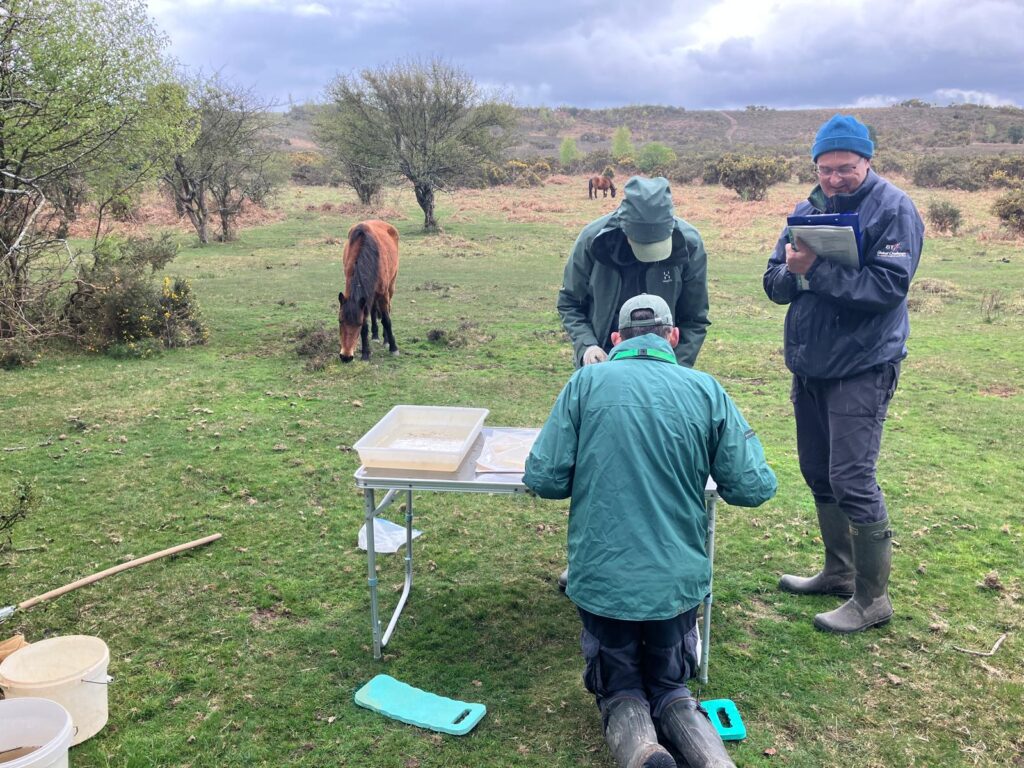
Data collected by the volunteers gives a better idea of how different variables – like restoration work, climatic changes or pollution events – can impact the make-up of rivers.
Case study site - Wootton
At Wootton riverine woodland, (where more than 2.5 miles of the straightened channel of Avon Water was returned to its natural meandering course), riverfly data was used to look at how the restoration work impacted the riverfly survey results.
The yearly scores for water quality were very similar before and after the restoration work, suggesting little change in water quality. This was unsurprising as the water quality in the river was already very high, but it was reassuring to find the restoration work did not negatively impact water quality over the long term.
An increase in the number of riverfly groups present was detected though, which is likely to reflect greater habitat diversity created by the re‑meandering of the channel.
Re‑meandering introduces a wider range of flow speeds, water depths, channel features and sediment types such as pools, riffles, shallow margins and sheltered backwaters, each of which supports different riverfly species. This greater variety of micro‑habitats allows a broader range of species with differing ecological requirements to colonise and persist within the river.