

Verges
Why are verges so important?
Verges are part of the New Forest Site of Special Scientific Interest (SSSI).
You’d be forgiven for not noticing these Forest edges as you travel through the National Park.
They often look like muddy or grassy areas that simply link the Forest to the road.
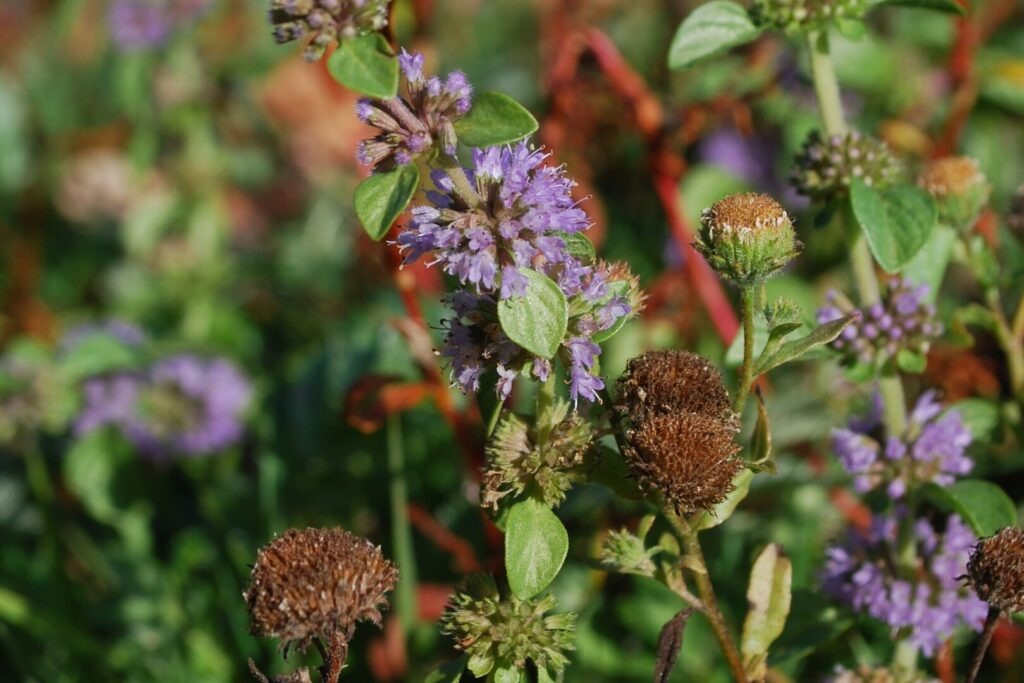
In fact, these verges are incredibly important habitats supporting many different animals and plant species such as chamomile, harebell, small fleabane, field gentian and pennyroyal.
Not only that, they’re an important part of the New Forest landscape, softening the visual impact of roads and buildings, as well as providing food for the free-roaming livestock, owned by Commoners.
The eroding Forest
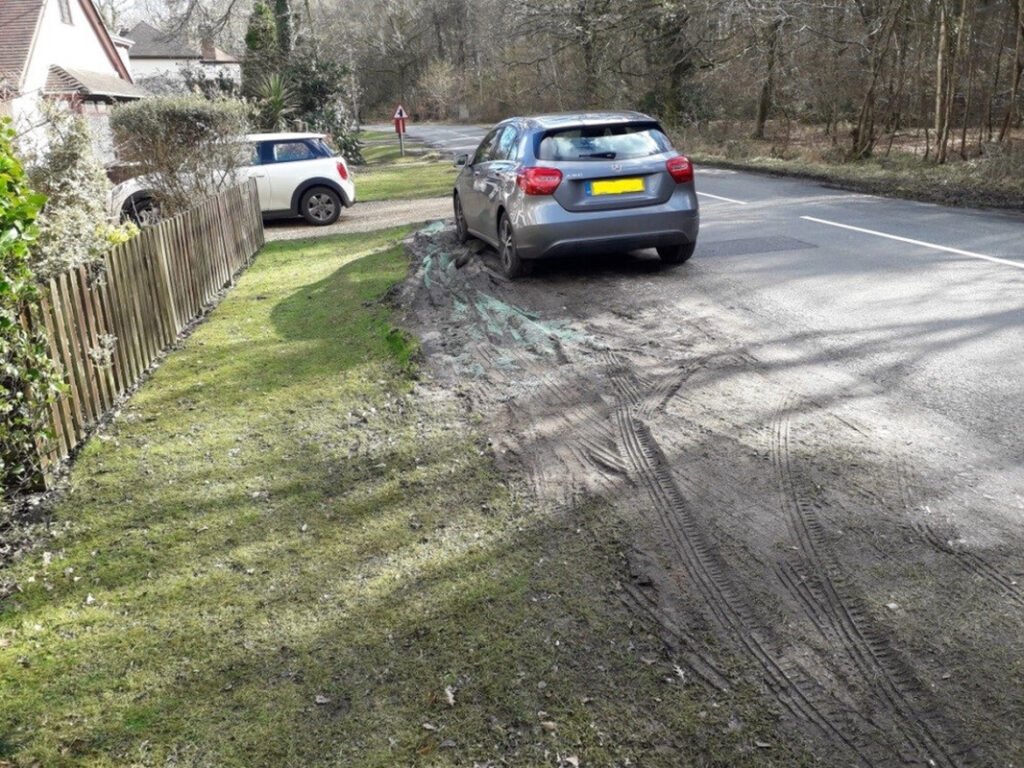
Over the years, many New Forest verges have become informal parking spots or stopping areas.
This can really damage the Forest as the vegetation gets worn away, tree roots exposed and the ground impacted.
Over time, this starts to reduce the footprint of the Forest, gradually eroding and reducing it.
The New Forest National Park is a living, working Forest
Parking in or around gateways may prevent emergency vehicles reaching an injured animal or tackling a Forest fire. It also can restrict access for large forestry vehicles and reduce visibility for passing cars. Blocking gateways next to cattle grids makes safe access difficult for horse riders and others who need to use the gates
How you can help
Some verges are being used as unauthorised parking areas which people have become used to parking on.
Others are parking spots outside properties or where residents close to the Forest leave their vehicles.
If people park their cars on verges, others will follow suit.
We ask those enjoying time here to please park in one of the 129 designated Forestry England car parks in the Forest, and residents within their own property.
Thank you for helping protect the important habitats of the New Forest
Verge protection
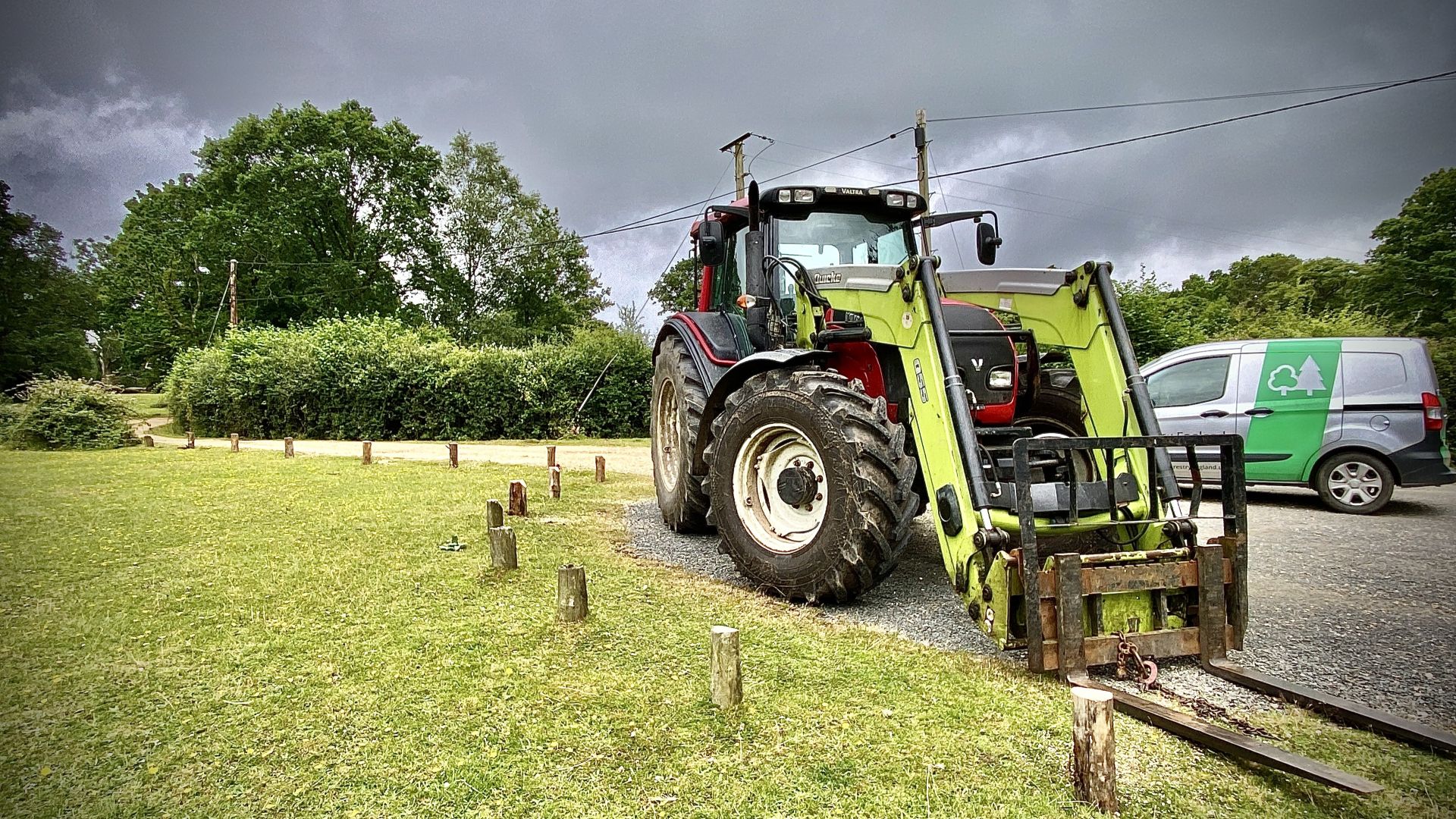
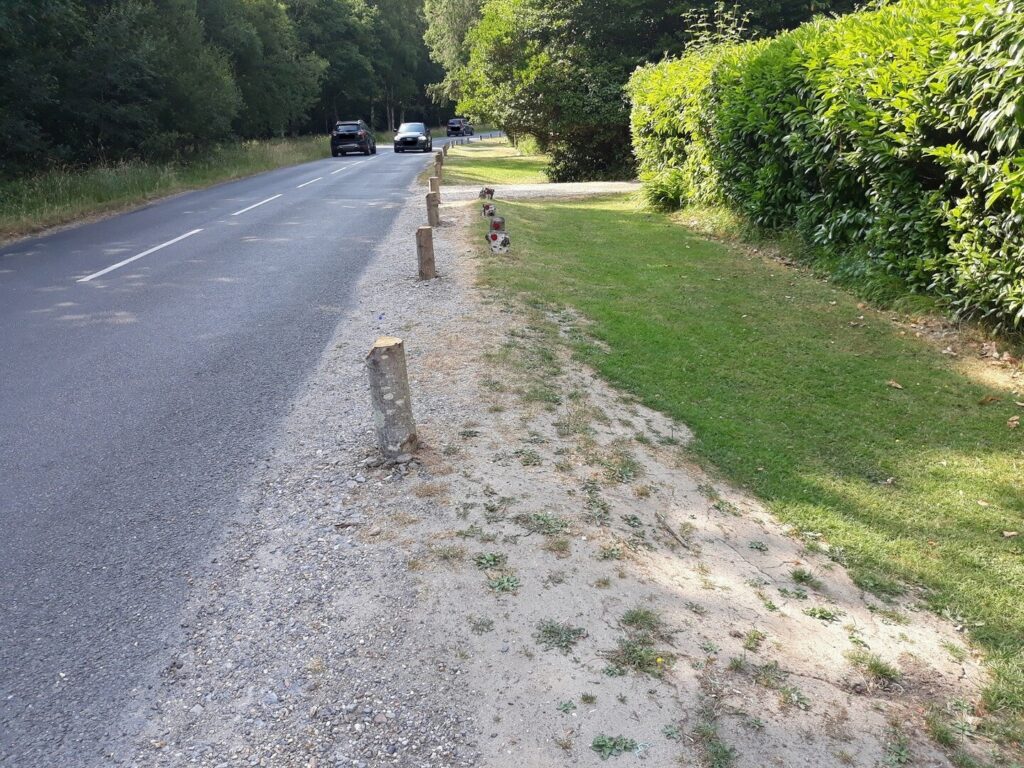
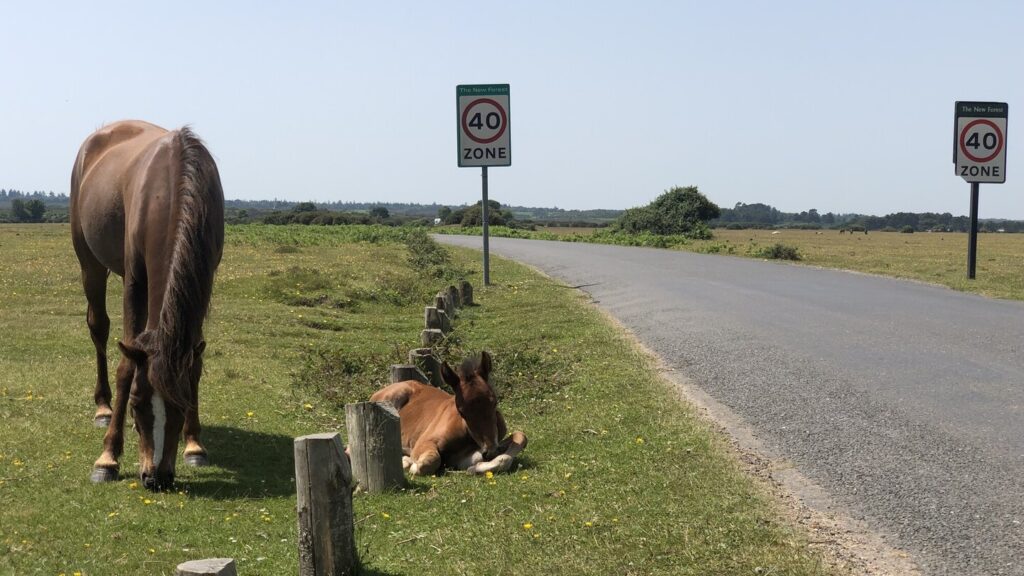
For several years, a programme has been in place to restore New Forest verges by installing posts called ‘dragon’s teeth’ or introducing ditches and banks.
This work helps to restore eroded verges areas back to their green roots.
Over the length of the scheme, more than 26 miles of verges have been carefully restored.