Balmer Lawn
Restoring lawns
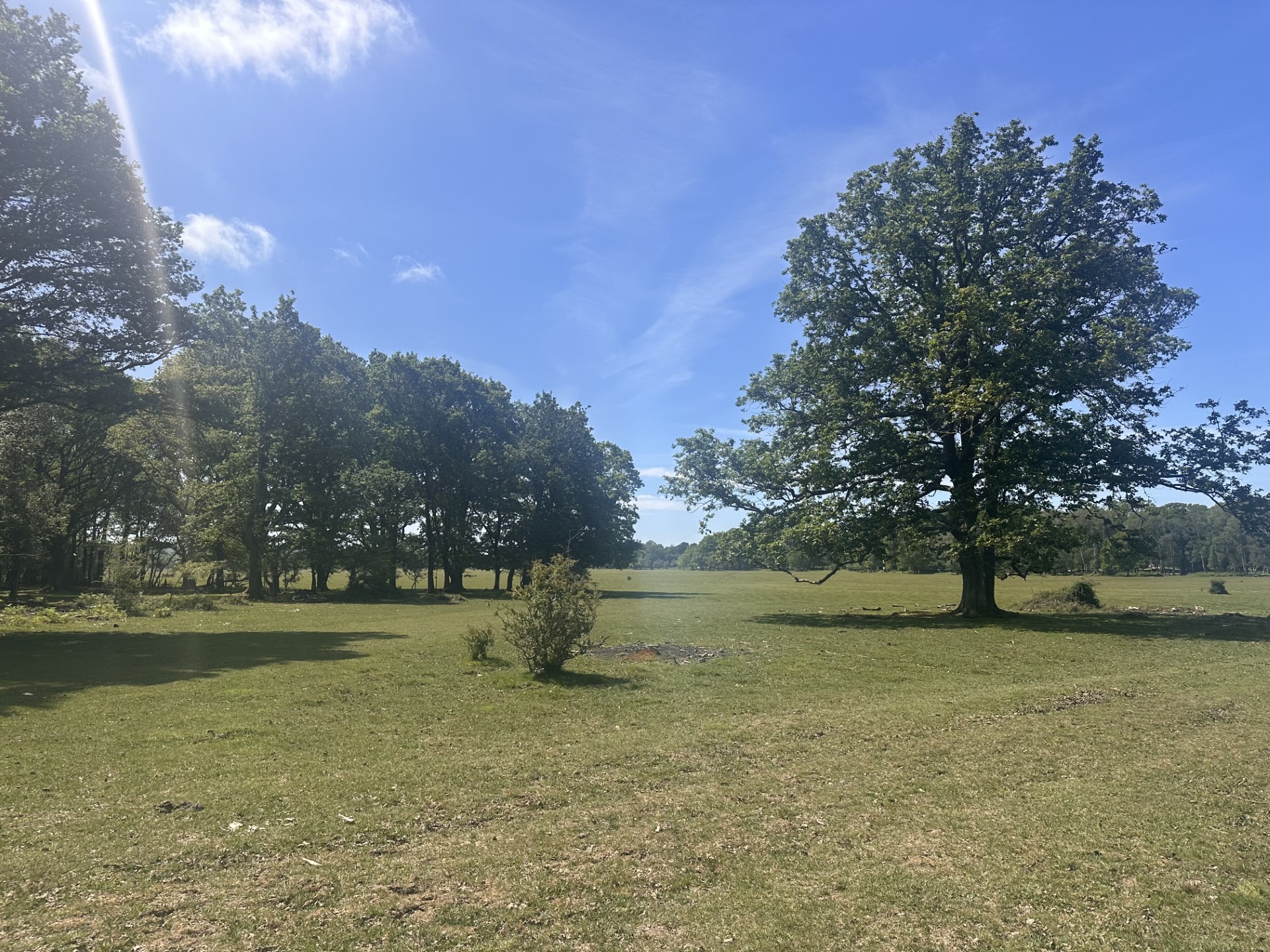
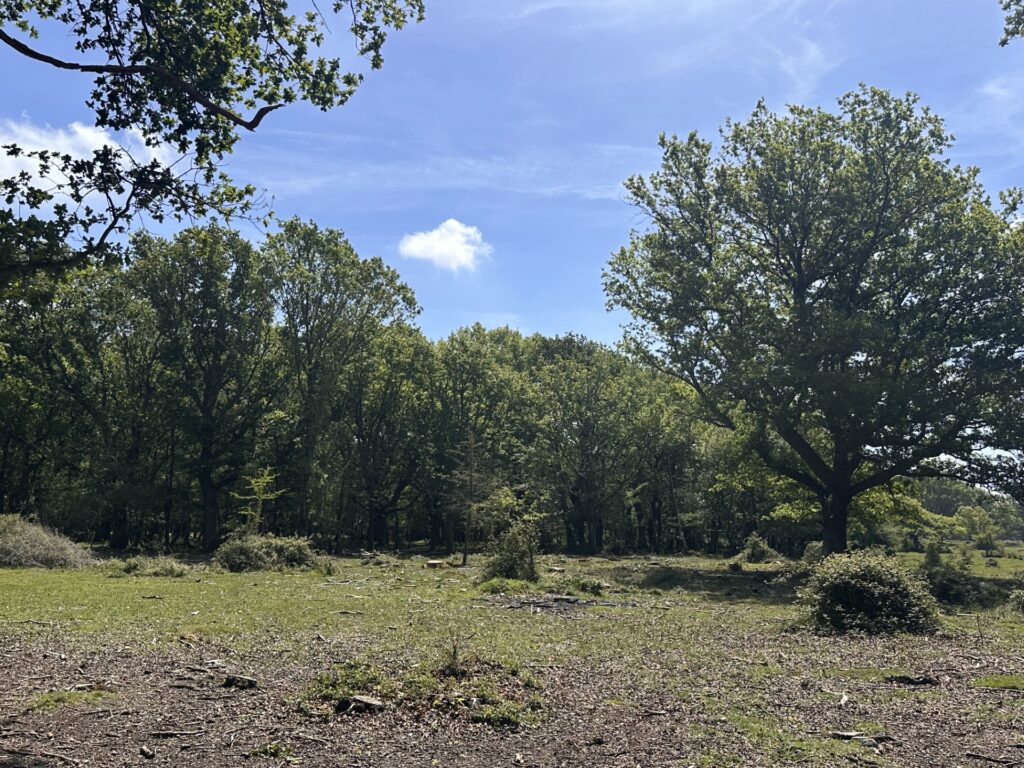
Suitability for lawn restoration is based on the ability to restore wet lawn type vegetation, connect lawn habitats and maintain open habitats in large areas of developing pasture woodland.
Dense older scrub can be coppiced, while maintaining younger scrub which is very beneficial to wildlife.
Where developing woodland has become advanced, there is limited potential for lost species to re-establish and the habitat should be allowed to develop into woodland.
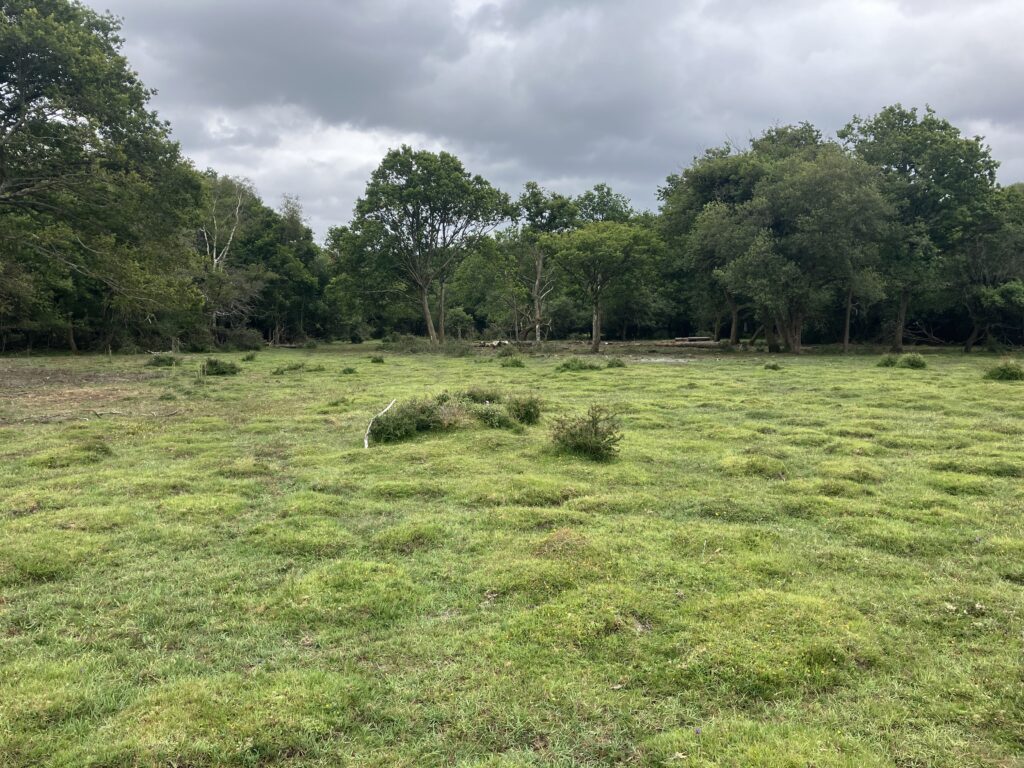
What were the issues?
Grazing areas and important species-rich wet grassland were being lost here due to thorn, birch and oak encroachment.
Many thorns were old and dying, offering limited value to wildlife.
The relics of wet lawn patches were surrounded by dying thorn and younger oak and pine stands becoming densely shaded.
'The New Forest supports internationally important, herb-rich lawns and damp grasslands, with species-rich plant communities that are rare elsewhere in the UK. It’s exciting to see these small relics of lawn being expanded and protected'
Rebekah Bisset, habitat restoration officer at Forestry England
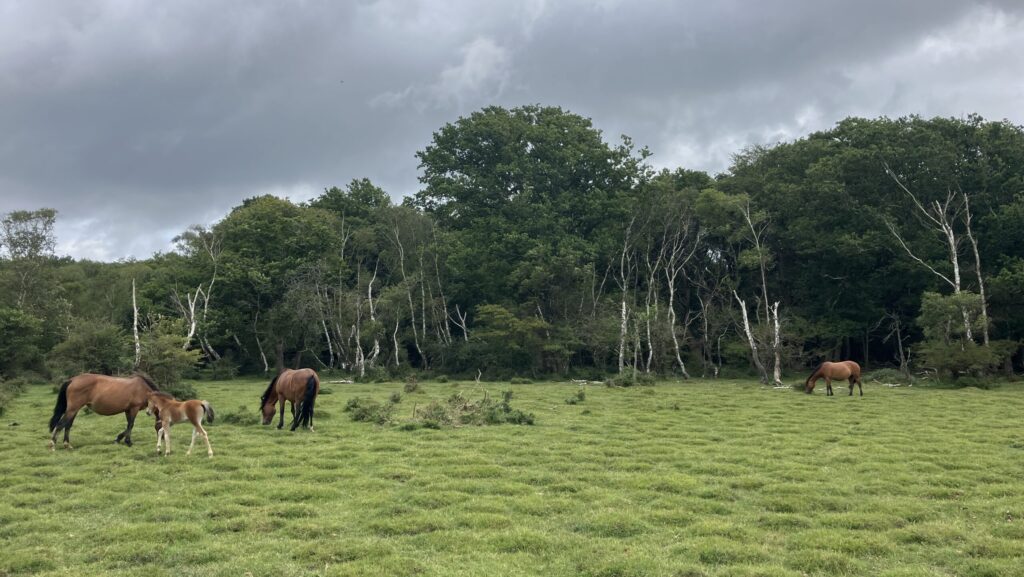
What was done
With stakeholder engagement, a program of work was agreed to coppice older dying thorn and remove stands of oak, birch and pine along the relics of wet lawn.
The project aimed to develop a mosaic of mixed lawn and pasture woodland, whilst retaining valuable younger, dense scrubby habitat.