
More than 100 nationally rare and scarce invertebrate species have been recorded in the New Forest, showing habitat restoration carried out through the Verderers of the New Forest Higher Level Stewardship (HLS) Scheme is delivering significant benefits for wildlife.
The findings come from surveys coordinated by Wild New Forest across four sites, including two where Forestry England has recently completed heathland and wetland restoration as part of the HLS programme.
Released during UK Insect Week, the survey recorded more than 800 species of invertebrate, including an impressive 102 nationally rare and scarce species. The discoveries highlight the New Forest’s importance as one of the UK’s richest landscapes for insect life and demonstrate how restored habitats are quickly becoming strongholds for some of Britain’s most threatened species.
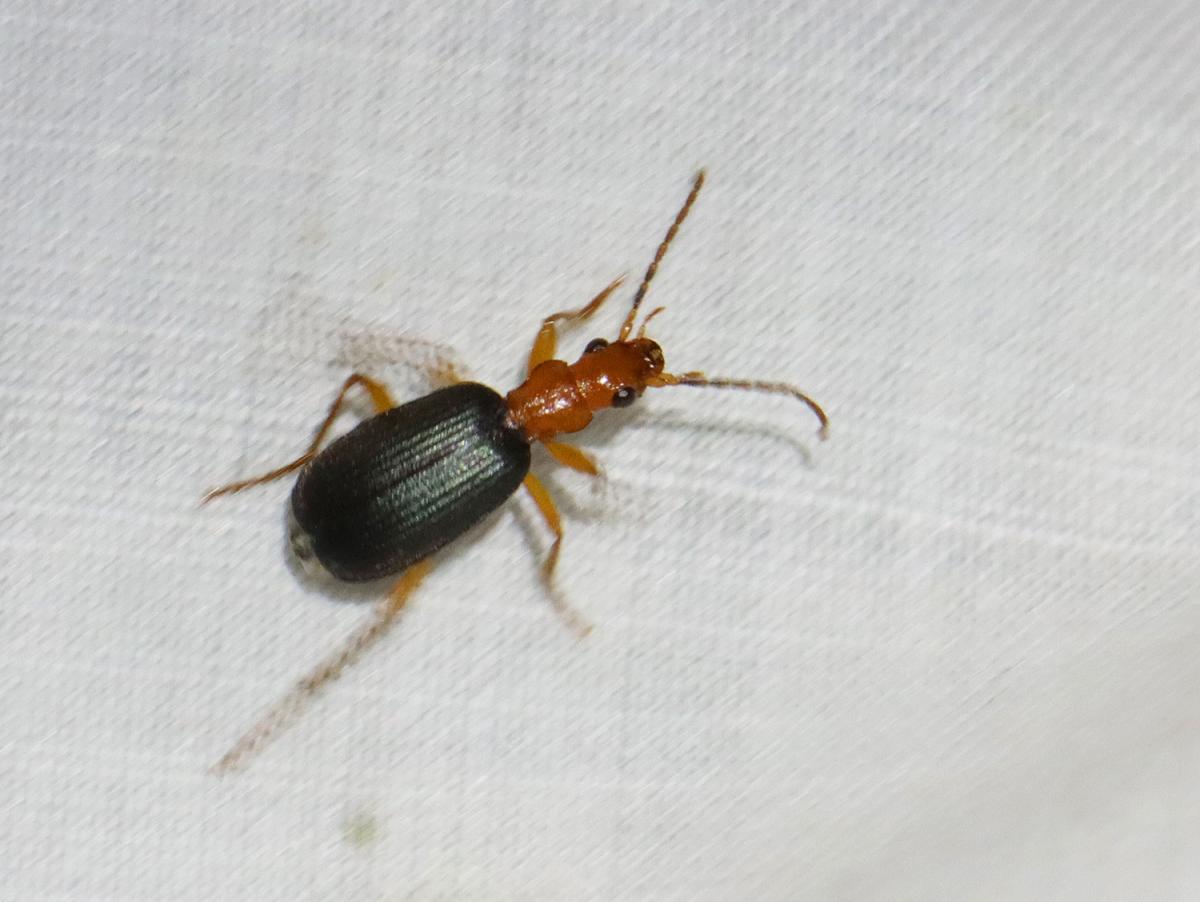
Among the most exciting discoveries was the first New Forest record in 85 years of the spectacular Bombardier Beetle. This remarkable insect, found in open habitats, is famous for defending itself by producing a chemical reaction that allows it to spray boiling hot liquid at potential predators.
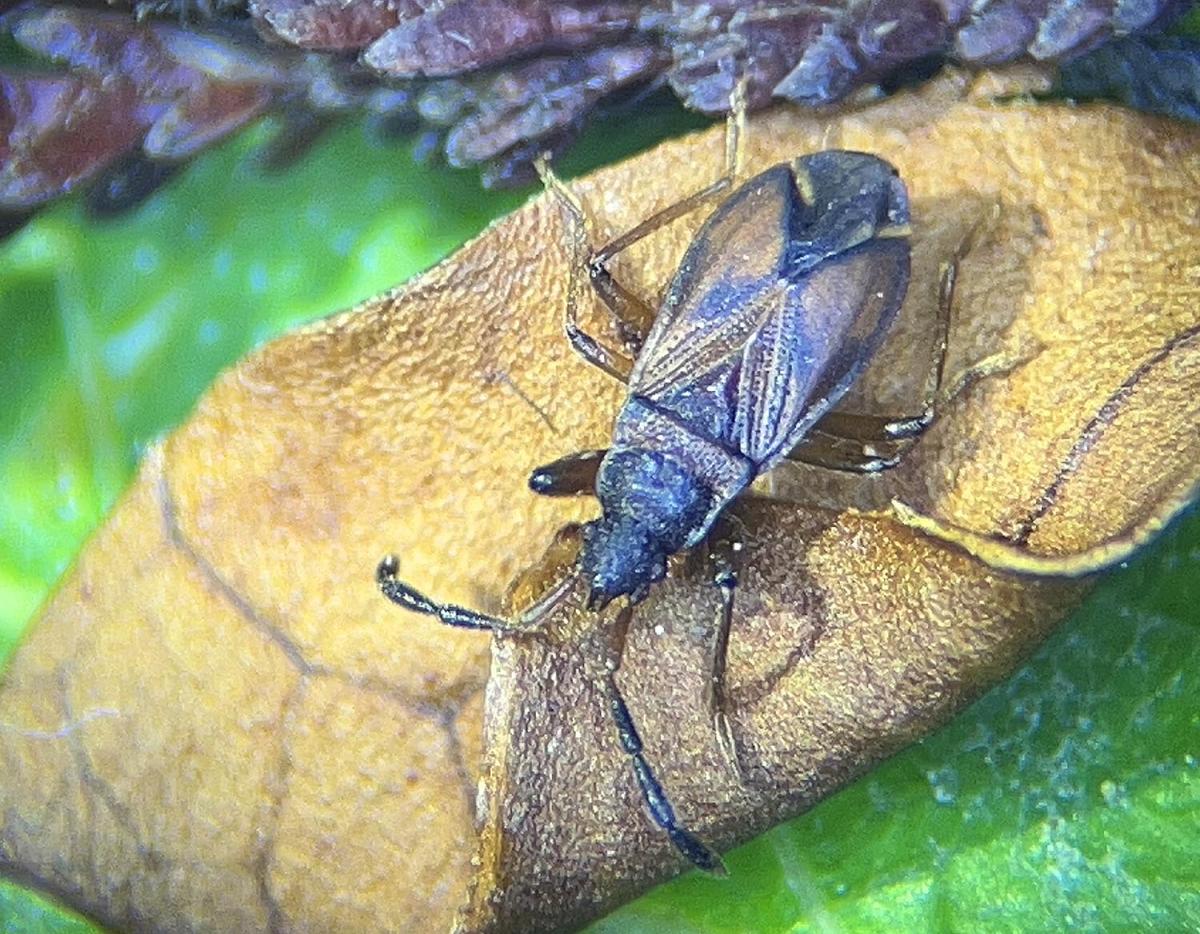
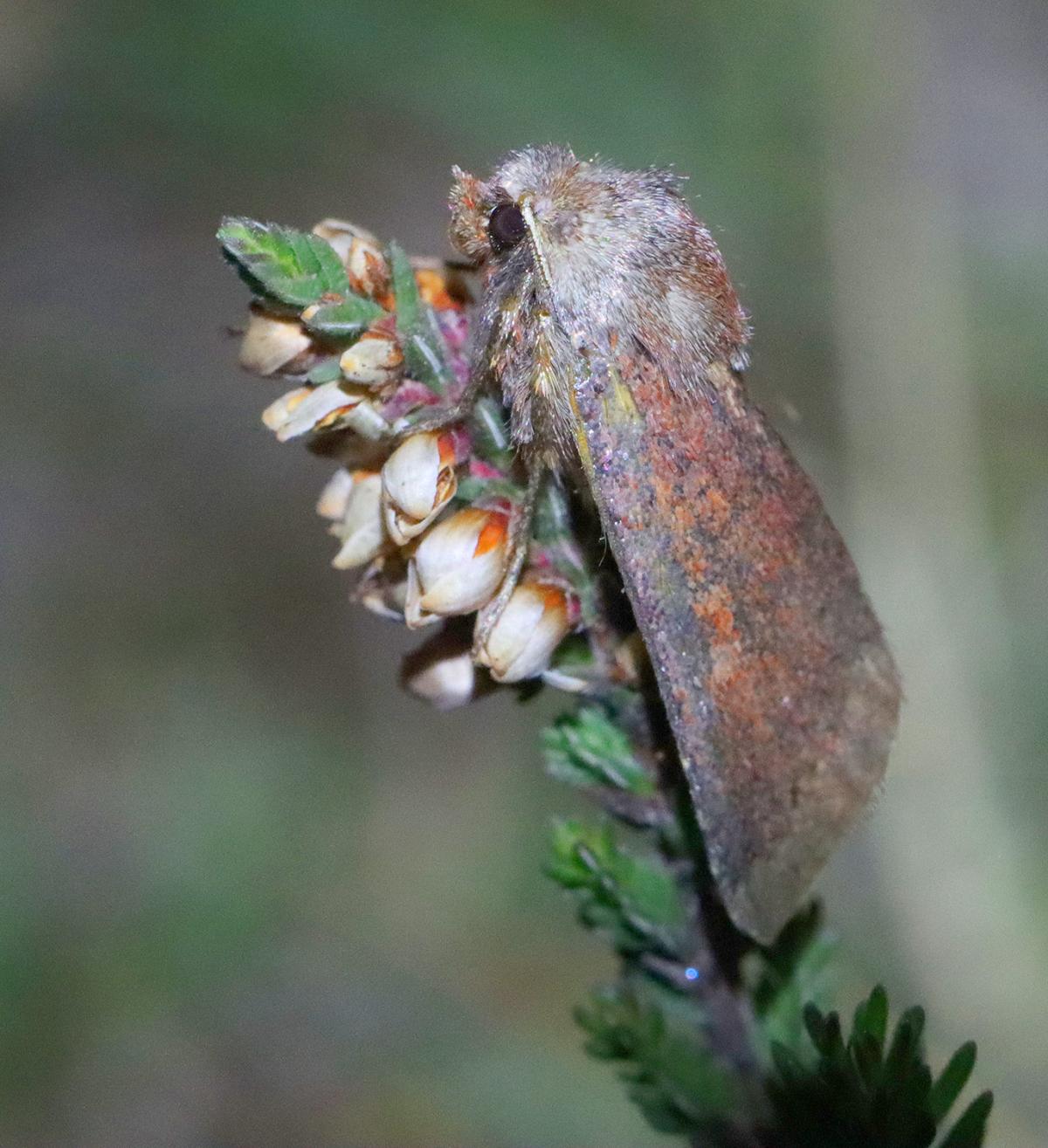
Surveyors also recorded nationally significant numbers of the rare Southern Chestnut Moth at a restored heathland site, along with the first British record for more than 50 years of the bog-loving bug Notochilus limbatus at a restored wetland.
Many of the rare insects recorded are specialists of open heathland and bog habitats, ecosystems that have benefited directly from restoration work delivered through the Verderers’ Higher Level Stewardship Scheme.
Restoring habitats for nature
The HLS Scheme has supported large-scale habitat restoration across the New Forest, with Forestry England carrying out work within former conifer plantations, known as inclosures. Some areas are being transformed into more diverse native woodland, while others are being restored to open heathland and wetlands that form the heart of the New Forest’s internationally important landscape.
Restoration work includes removing conifers, blocking artificial drainage systems, restoring natural watercourses and reconnecting floodplains. Opening these areas to grazing by New Forest ponies and cattle also helps maintain the unique habitats that many rare species depend upon.
The results demonstrate how quickly wildlife can respond when habitats are restored and natural processes are allowed to return.