

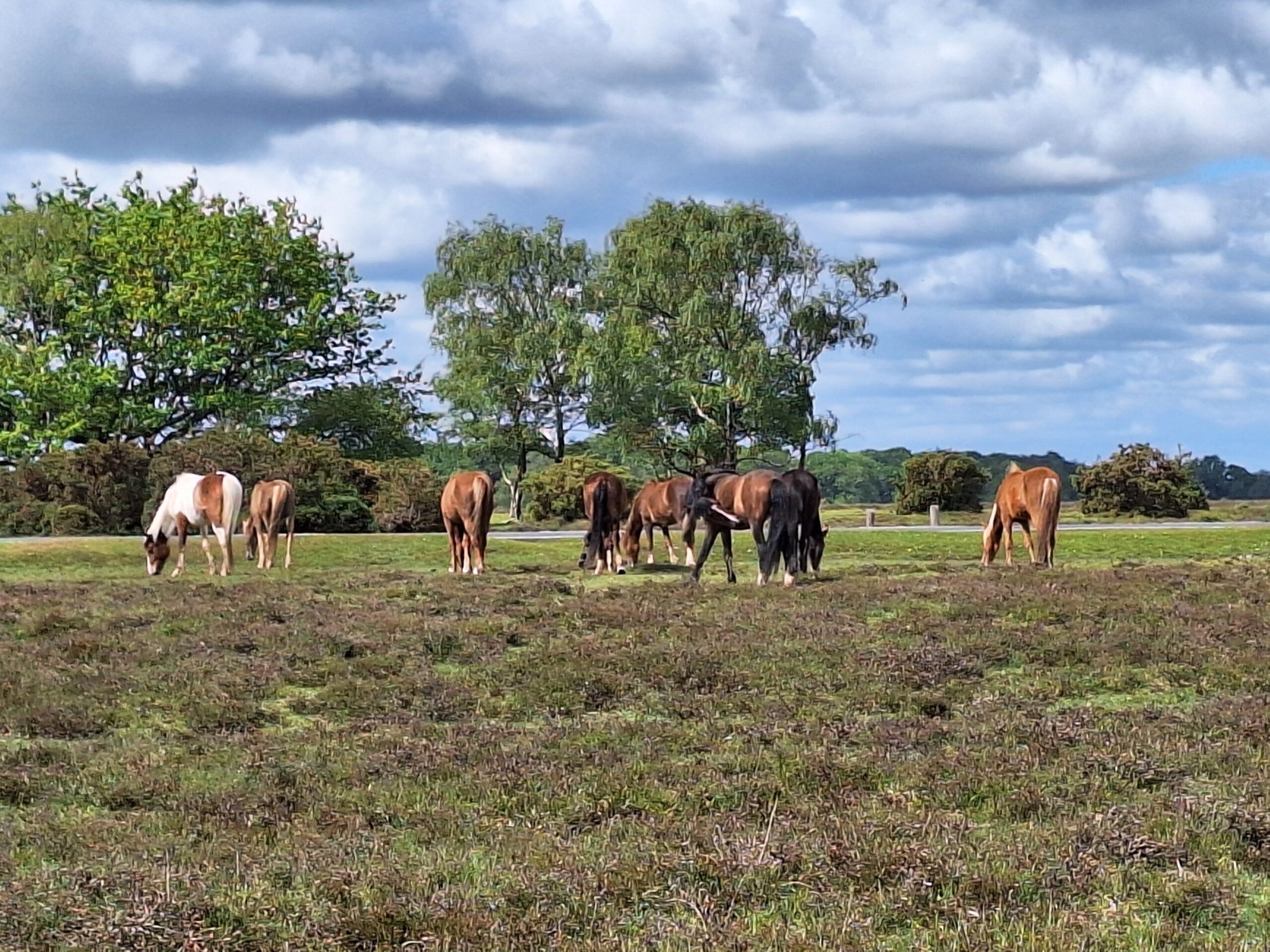
The Verderers of the New Forest have announced that the start of the 2026 Drift season has been postponed due to the ongoing outbreak of equine flu.
As a precautionary measure, the Verderers have confirmed no Drifts will take place during August to help reduce the risk of further spreading the virus while efforts continue to manage the outbreak.
Drifts scheduled for September onwards will remain under review, depending on how the outbreak develops.
The annual Drifts are an essential part of commoning in the New Forest. During a Drift, Commoners work together to gather the free-roaming ponies so they can be safely checked by Agisters and vets.
The process allows animals to be identified, their health and welfare assessed, foals to be handled and marked, and any veterinary treatment or management to be carried out before the ponies are returned to the open Forest.
The Drifts are not only important for the welfare of the ponies but also play a vital role in sustaining commoning, which underpins the special landscape and internationally important habitats of the New Forest.
The Higher Level Stewardship (HLS) scheme exists to support this unique system of land management. By helping commoning to remain viable, the scheme funds projects which contribute to the conservation of the Forest’s internationally designated habitats, including its heathlands, wetlands, grasslands and ancient woodlands.
The grazing provided by Commoners’ livestock is fundamental to maintaining these habitats in favourable condition, supporting the rich diversity of wildlife for which the New Forest is renowned.
Members of the public can help protect New Forest livestock by following simple biosecurity advice when visiting the Forest:
- Keep your distance from all livestock, including ponies, donkeys and cattle
- Do not touch, pet or feed the animals
- If you own or work with horses elsewhere, avoid unnecessary contact with New Forest ponies and follow good biosecurity measures
- Give ponies showing signs of illness a wide berth and do not allow ridden horses to drink from communal water troughs
The Verderers are following expert veterinary advice throughout the outbreak and will issue further updates as and when required. They have advised that affected ponies may show signs including a heavy nasal discharge and a dry, harsh cough.
To minimise stress and reduce the risk of further transmission, affected animals are being left where they are unless veterinary intervention is required.