

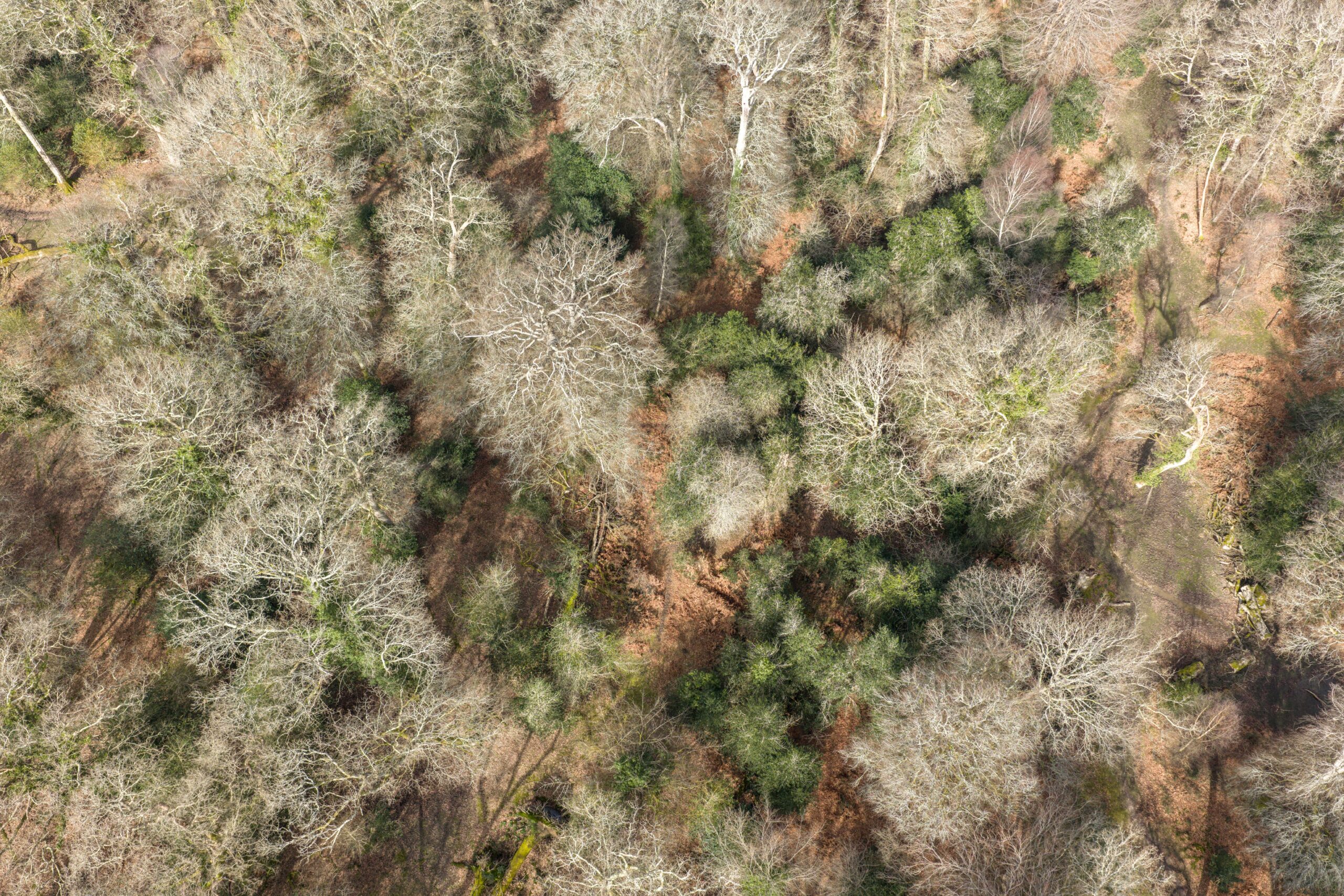
Gritnam Wood
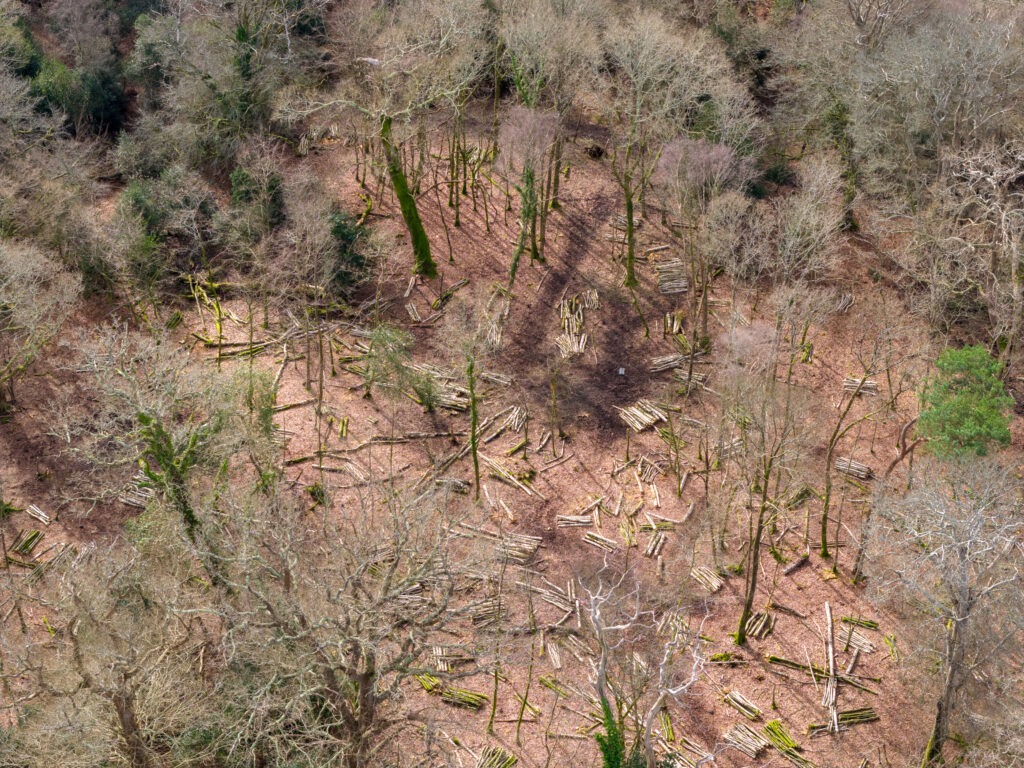
Restoring the area
Gritnam Wood ancient and ornamental beech plot is an area within ancient woodland which had been previously felled and re-planted back in the 1950s.
Alongside the remaining veteran trees, this plot had a high density of planted beech and self sown birch.
The density of young trees in this woodland required a one off, irregular thin of the younger trees to develop the pasture woodland and support the veteran trees.
This is one of many plots in the ancient woodlands of the New Forest that were negatively impacted by historic forestry works, and now needs a restorative approach to improve the health of the woodland.
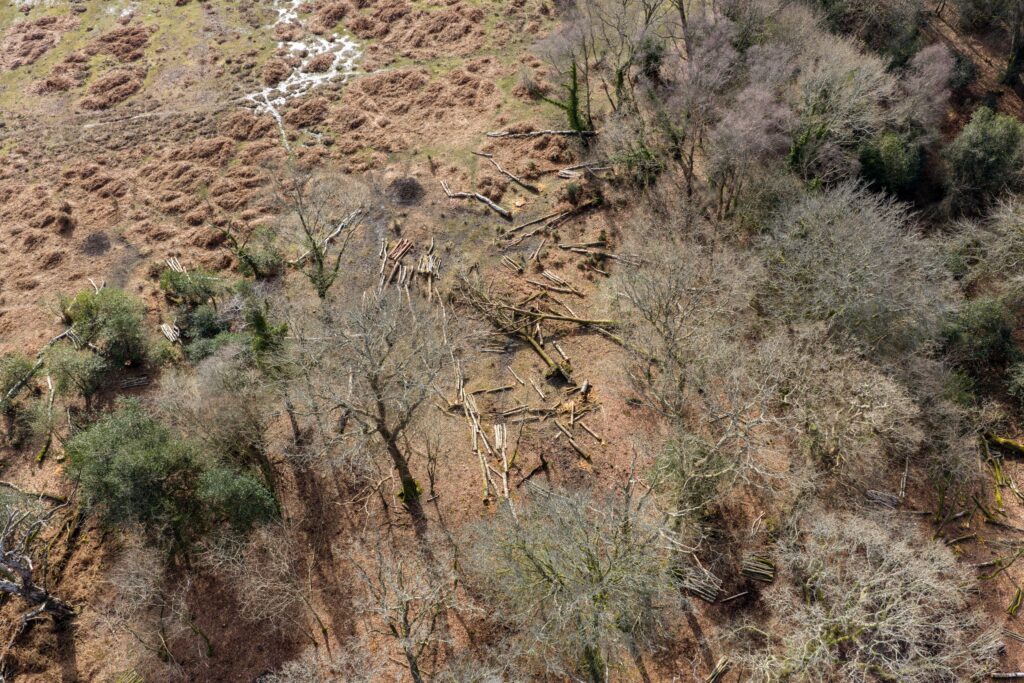
What were the issues?
There are various plots within the ancient woodlands that were planted with beech trees in the 1950s and have a cover of dense beech and self-sown birch.
These trees grow tall and thin due to a lack of light and space.
They overcrowd the existing veteran trees and reduce the chance of flora establishing on the woodland floor.
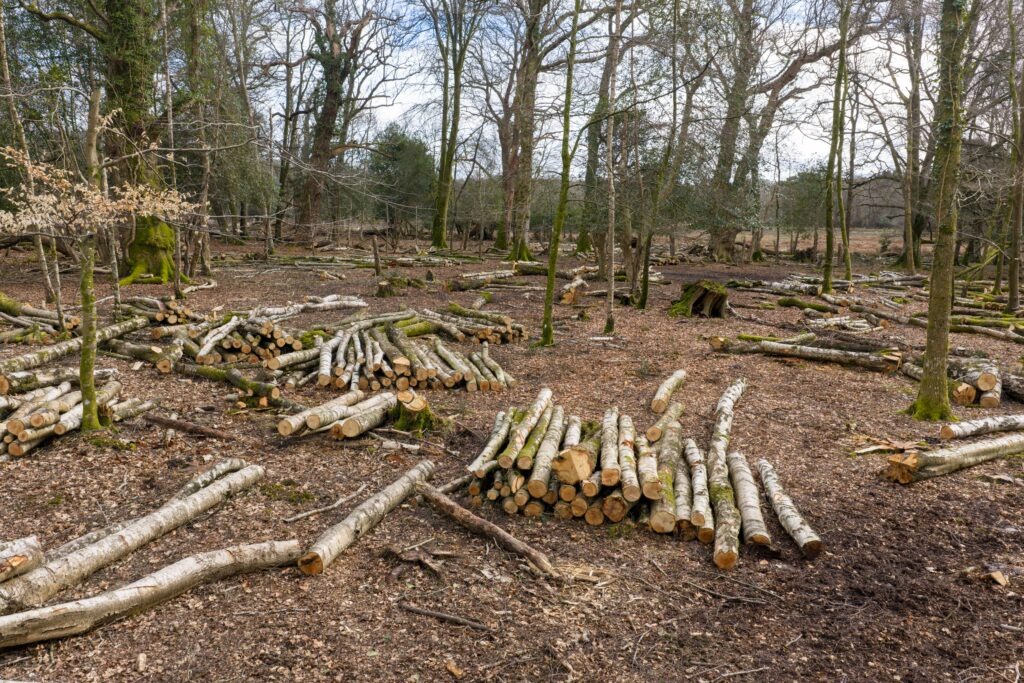
Creating space
Forestry England began work to thin out the younger planted beech and self sown birch to create space and allow younger trees to branch out into more open grown woodland trees.
These young trees will now have much better chance of becoming a mature tree of the future.
Creating space around the veteran trees also reduces shading and supports the survival of important lichens.
Trees with damage and torn limbs were purposely retained in many cases, as they may not look pretty but these rot holes, cavities and deadwood create excellent micro-habitats, providing homes for many species within the woodlands.