Woodlands
Wood pasture
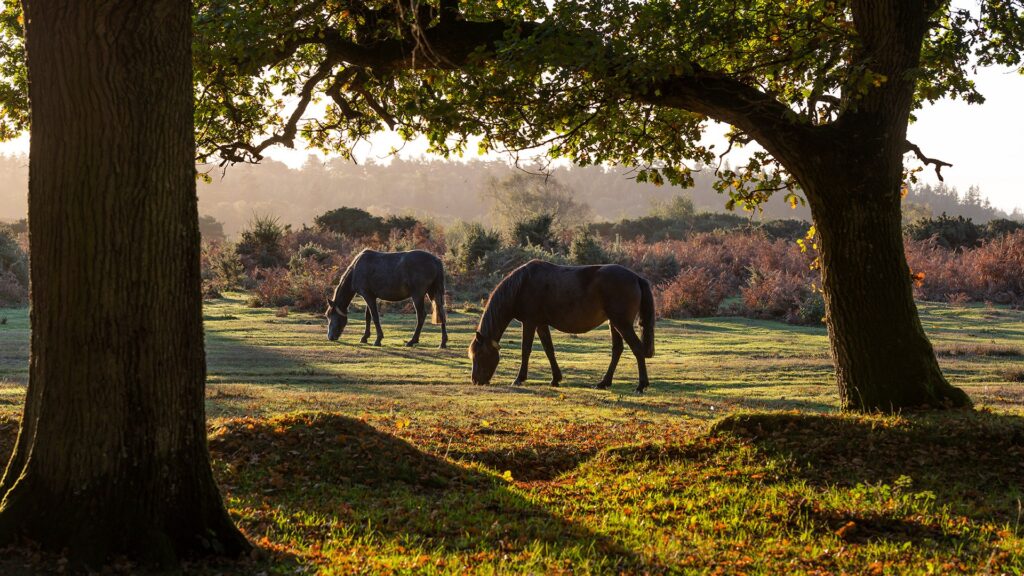
Areas of the open Forest where ancient, native trees such as oak and beech are scattered across grazed grassland are known as wood pasture.
Wood pasture is a traditional landscape created by centuries of low-intensity grazing by livestock beneath open-grown trees.
This combination of pasture and trees allows veteran and ancient trees to persist, making wood pasture one of the richest habitats for wildlife in the UK.
The ancient oak and beech trees found in wood pasture support huge numbers of invertebrates and fungi, as well as bats and many bird species, including lesser spotted woodpeckers, goshawks and warblers.
The open, sunlit conditions are crucial for these species and cannot be replicated in dense, enclosed woodland.
Restoring wood pasture
As part of the HLS scheme, Forestry England is helping to restore wood pasture through a range of management interventions.
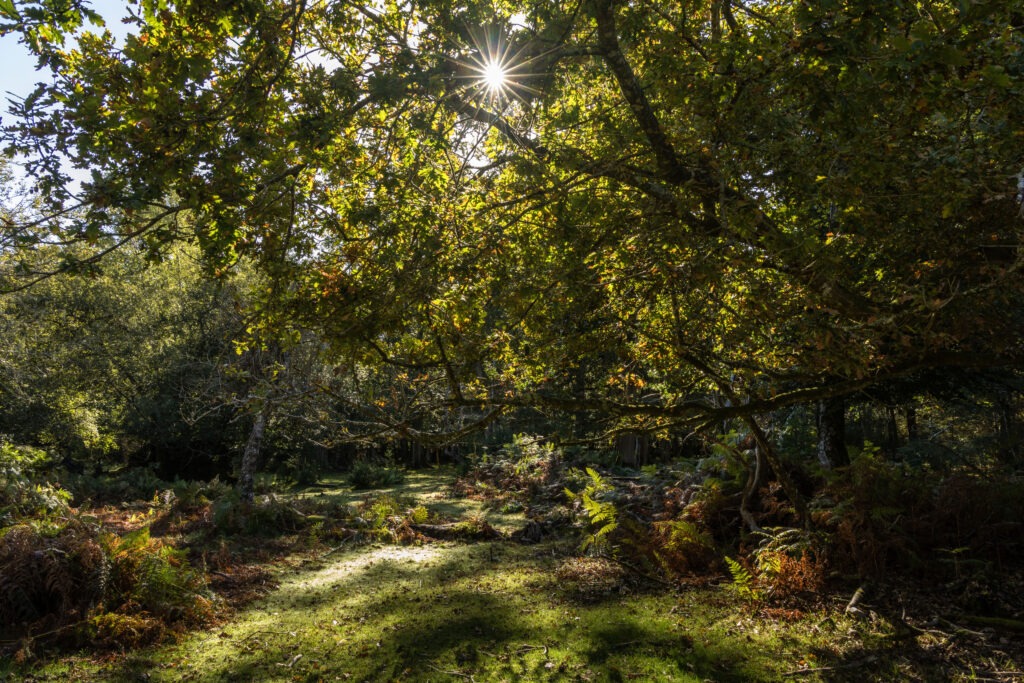
In areas of ancient woodland that were previously felled, dense regeneration is thinned to reduce competition around existing veteran trees and allow more light to reach the ground.
This protects older trees, gives younger trees space to develop into future veterans, and creates open conditions that support a diverse woodland ground flora.
Additional restoration work supported by the HLS scheme includes the removal of non-native tree species.
Non-native trees can negatively impact native woodlands by outcompeting native species, altering soil conditions, and introducing pests and diseases.
Their removal helps restore the natural structure and ecological balance of wood pasture and ancient woodland
Thriving woodlands
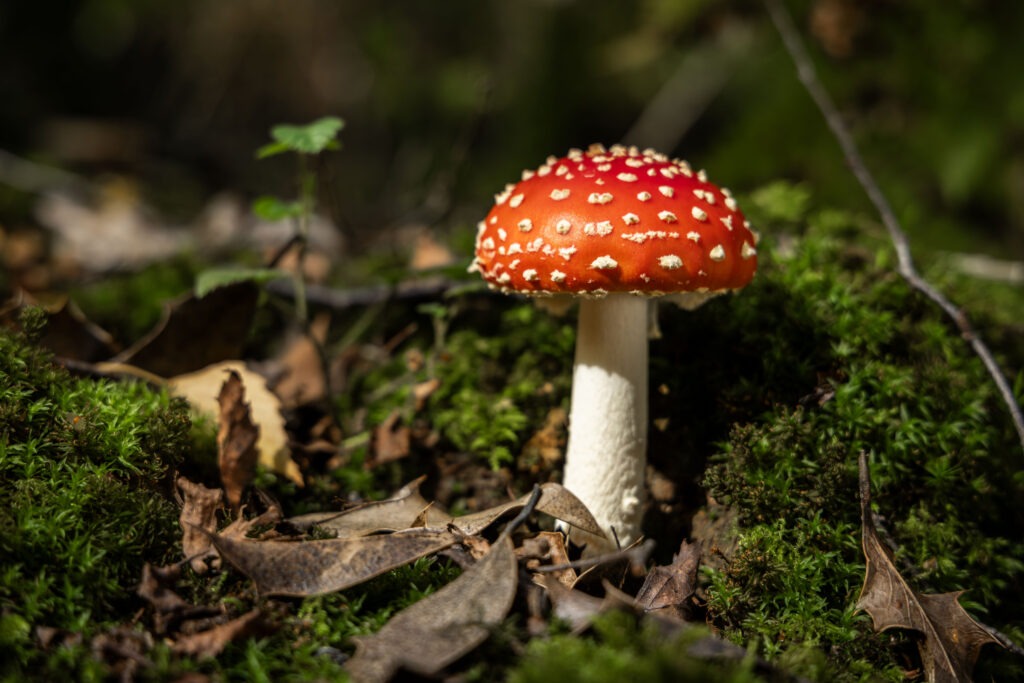
Thriving ancient woodlands and wood pastures are characterised by structural diversity: a mix of trees of all ages, from young saplings to mature, ageing and ancient trees, alongside standing and fallen dead wood.
This variety provides habitats for countless species and is a key measure of ecological health.
Dead wood is especially important as it provides an essential habitat and food resource for many species in the New Forest including rare species like stag beetles and lesser spotted woodpeckers.
Rare lichen
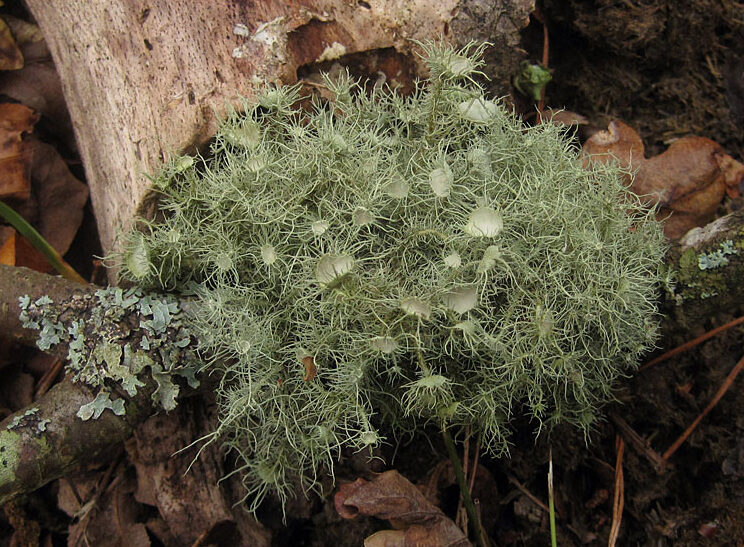
The lichen, Usnea florida, is one of the rare lichens benefitting from restoration work under this work.
It is a pale, shrubby lichen that hangs from tree branches and is often seen as a sign of clean, unpolluted air.
No other woods in the UK or continental Europe are as rich in lichens as the New Forest, and its range is internationally important.
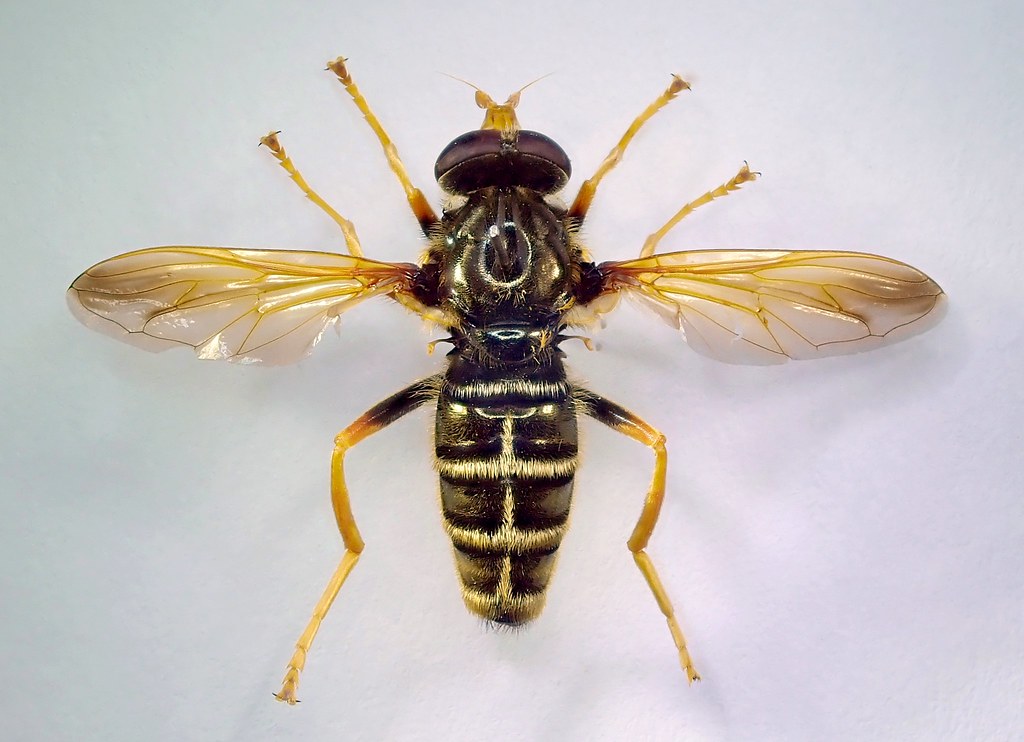
'It has been very rewarding to work on the green forest hoverfly hunt project and it will be really interesting to see how our work impacts the distribution of the species in the coming years'
Dave Morris, Open Forest manager at Forestry England