

Wetlands
Why the New Forest freshwater and wetland habitats are special
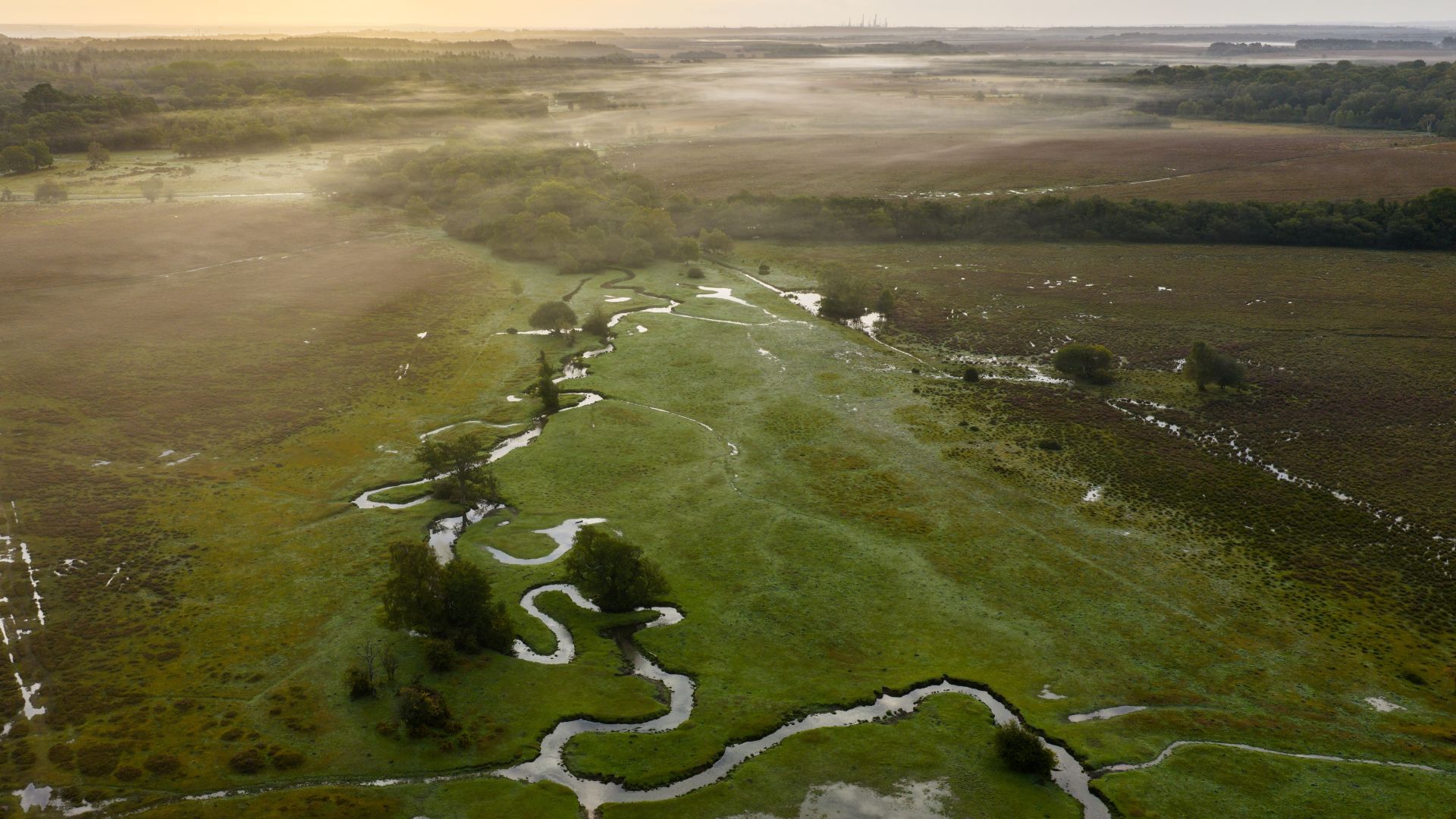
The New Forest is one of the most important areas for freshwater wildlife in Britain. The mires, bogs, ponds and streams, along with the wet heaths, wet grasslands and wet woodlands, are among the Forest’s most precious qualities.
They form part of the New Forest Site of Special Scientific Interest (SSSI) and are a key reason why large areas of the New Forest are also protected under international legislation.
In terms of wetland habitats, the New Forest supports one of only four significant sites of bog woodland in the UK, as well as one of the six best sites of riverine woodland. Together with other scarce wetland habitats, the Forest also contains the most extensive lowland valley mire systems in north-western Europe.
These wetlands are special because they’re surrounded by heathlands, woodlands and grasslands, which are supported by commoning – a traditional form of land management where grazing animals like ponies and cattle are turned out onto the Forest.
This clean, unpolluted landscape leads to high-quality freshwaters. In the New Forest, they are home to wildlife and plants which have long since disappeared from other parts of England, such as the sundew, bog pimpernel, tadpole shrimp and southern damselfly.
Restoring wetland habitats
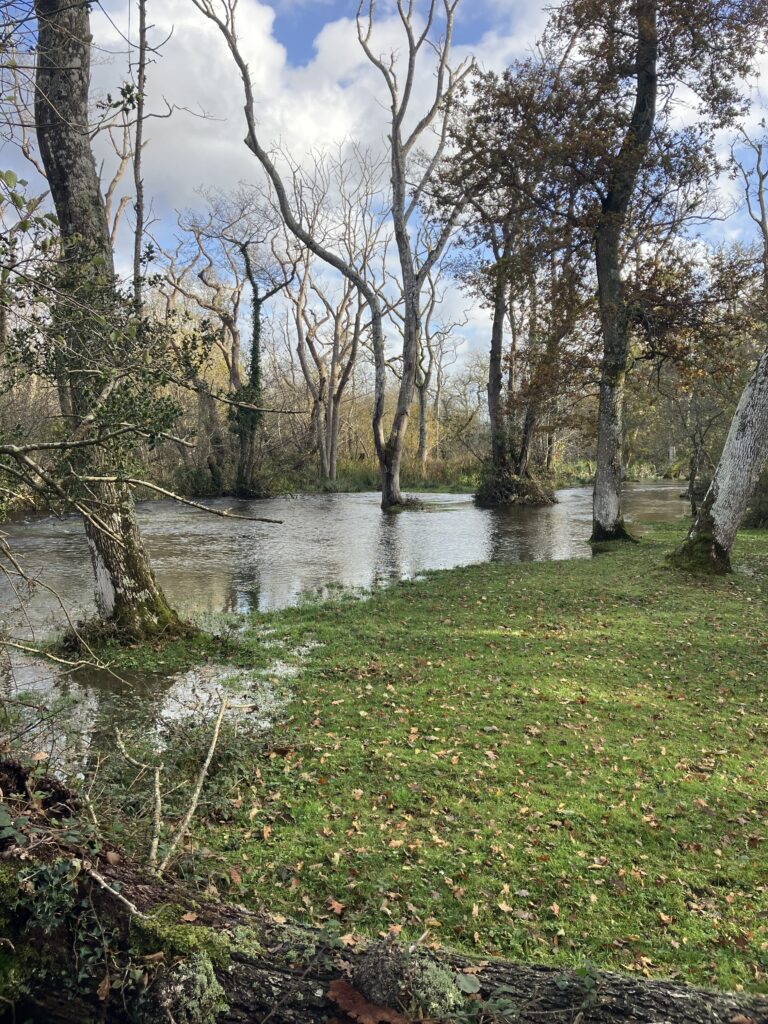
As part of the HLS scheme, Forestry England has been working to restore New Forest wetlands to improve the condition of these internationally important habitats.
The scheme has delivered dozens of projects across the New Forest, with approximately 5,000 hectares (more than 7,000 football pitches) of Site of Special Scientific Interest (SSSI) wetland habitats being improved and protected.
The restoration work is improving habitats for rare wildlife, protecting streams and mires from further erosion, helping manage flood risk and increasing resilience to drought.
Why some wetlands need restoring
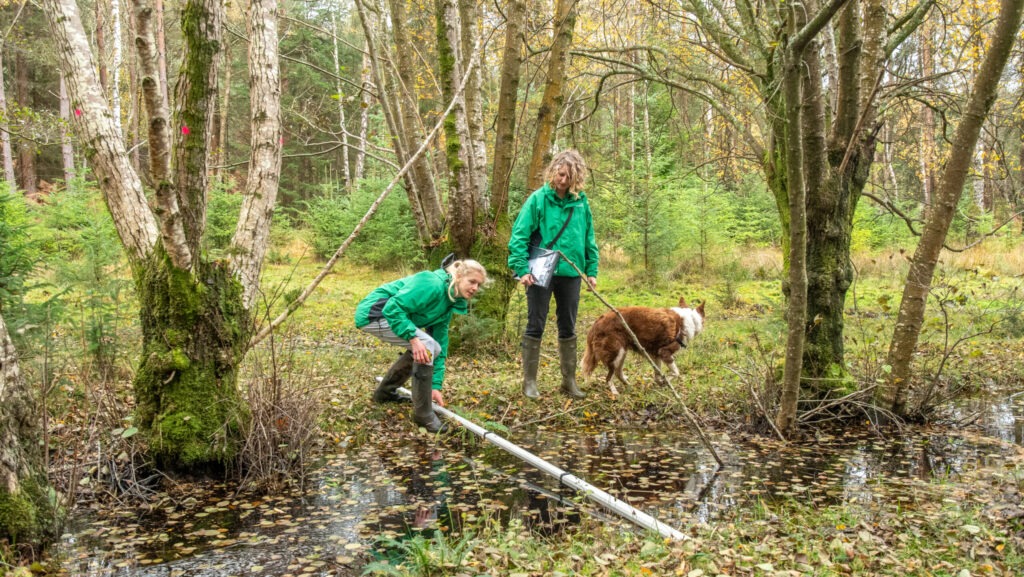
In the past many streams and mires in the New Forest were modified and straightened to help water run off the Forest more quickly.
Over time, this can affect the health of rare wetland plants and wildlife in a number of ways.
Draining mires more quickly means that peat and rare mire habitats are lost. Straightening shallow, meandering streams leads to faster flows and more erosion, so that channels become deeper and wider over time. There’s also more chance of flooding downstream.
Wetland habitats along these streams, like wet woodland and wet grassland, are affected too. These habitats rely on seasonal flooding to keep them in good condition but deeper channels and spoil banks (left along the side when ditches were dug) prevent this from happening.
How HLS is helping
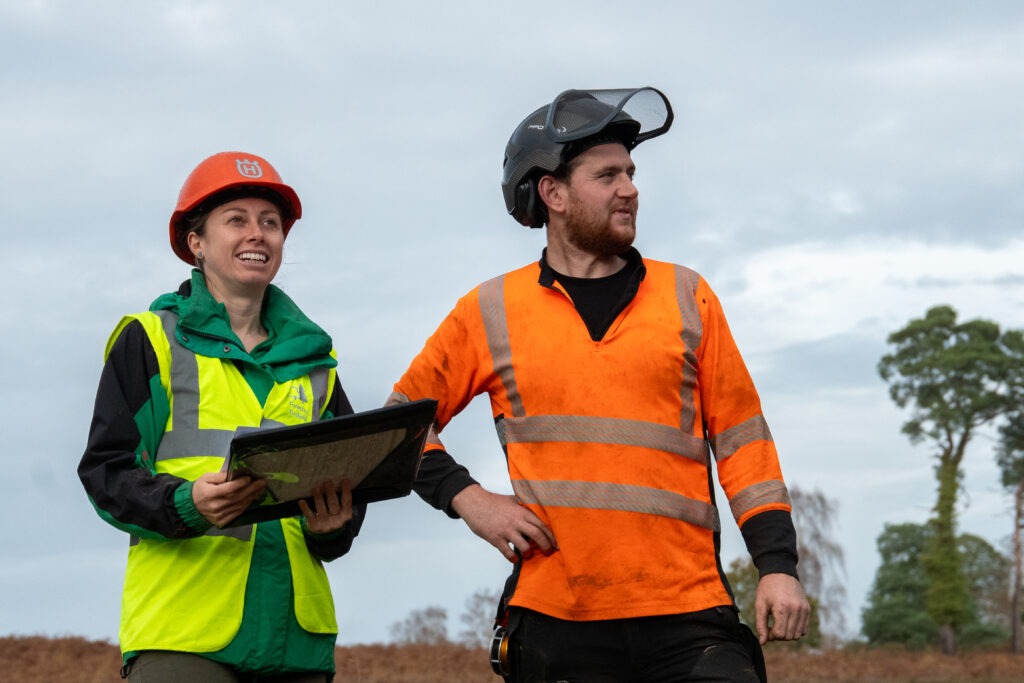
With funding from the HLS scheme, Forestry England has been undertaking restoration work to improve the condition of the New Forest’s internationally-important freshwaters and wetlands.
Various techniques are used to restore wetlands, like filling in drainage ditches and returning straightened streams to their natural curves and meanders.
There are other benefits, too, as restoring the mires not only protects these special habitats but also means they continue to act as a carbon sink.
The slower-moving streams are interacting more naturally with their floodplains, meaning more water is stored during heavy rainfall, as well as making the area more resilient to winter floods and summer droughts. As a result the restoration works is also helping to reduce the impact of flood risk downstream.
Forestry England has been working with a range of local organisations as part of the New Forest Freshwater Wetlands Restoration Forum to help inform restorations across the area and beyond.
UK River Prize
The wetland restoration work carried out by Forestry England was recognised with the UK River Prize in 2019. The award acknowledged the scheme’s large-scale impact and its holistic, catchment-based approach, which addresses both mire and stream habitats affected by human modification.