A project to tackle invasive non-native plants across the New Forest has been shortlisted for a prestigious National Park Protector Award.
The New Forest Non-Native Plants Project, led by Hampshire & Isle of Wight Wildlife Trust, has been working since 2009 with volunteers, landowners and land managers to control invasive species that threaten native habitats and wildlife.
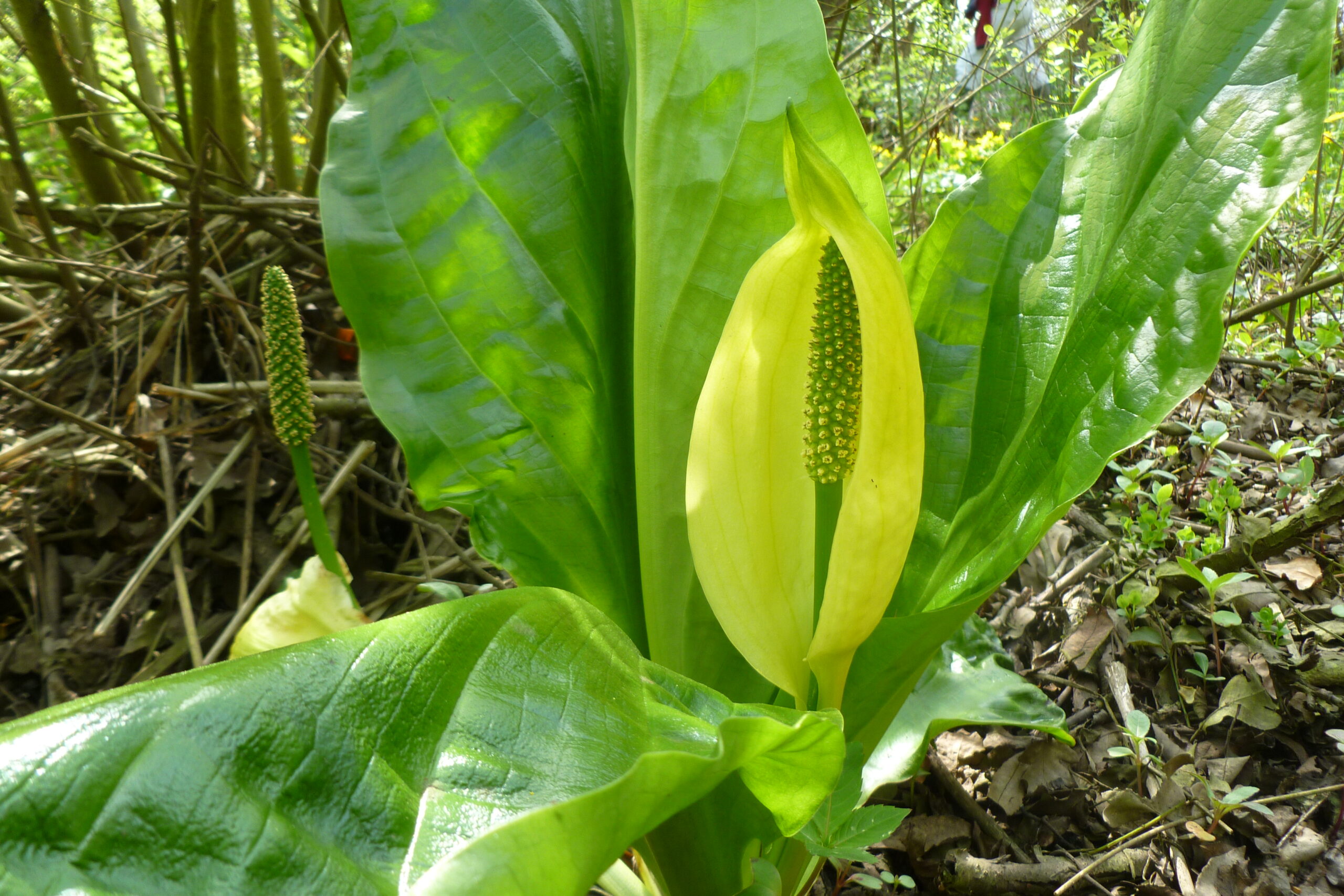
The project targets a range of invasive non-native plants, including Himalayan balsam, giant hogweed, Japanese knotweed, American skunk cabbage and parrot’s feather. Left unchecked, these species can spread rapidly and outcompete native plants, affecting the health and diversity of rivers, wetlands and other habitats.
Controlling invasive non-native plants is an important part of the wider programme of habitat restoration taking place through the Higher Level Stewardship (HLS) scheme.
HLS supports practical work to maintain and enhance the New Forest’s internationally important habitats, with land managers working to restore and improve heathland, wetlands, mires, wood pasture and other habitats across the Forest.
By tackling invasive plants, the New Forest Non-Native Plants Project complements this work, helping to ensure that restored and protected habitats remain in good condition and can support a diverse range of native species.
The project was nominated for the National Park Protector Awards by the New Forest Biodiversity Forum, recognising its contribution to nature recovery and its collaborative approach.
Holly Fitzgerald, New Forest Non-Native Plants Officer at Hampshire & Isle of Wight Wildlife Trust, said:
‘I’m delighted that the New Forest Non-Native Plants Project has been shortlisted for a National Park Protector Award. This recognition reflects the dedication of the many volunteers, landowners, partners and supporters who have contributed to the project over the years.
‘Tackling invasive non-native species is a long-term challenge, but by working together we’re helping to protect some of the New Forest’s most important habitats for wildlife and future generations.’
The winners of the National Park Protector Awards will be announced later this year.